
My wife and I and our four children left the United States for Angola on November 9, 2022. After two and a half years of slow and careful planning, we spent three panicked days of packing before the departure date. We were trying to take as few checked bags as possible, but over those three days the number kept growing. We ended up with thirteen checked bags and one personal item and carryon apiece, and we still left many things behind, including some workbooks for our children’s homeschooling.
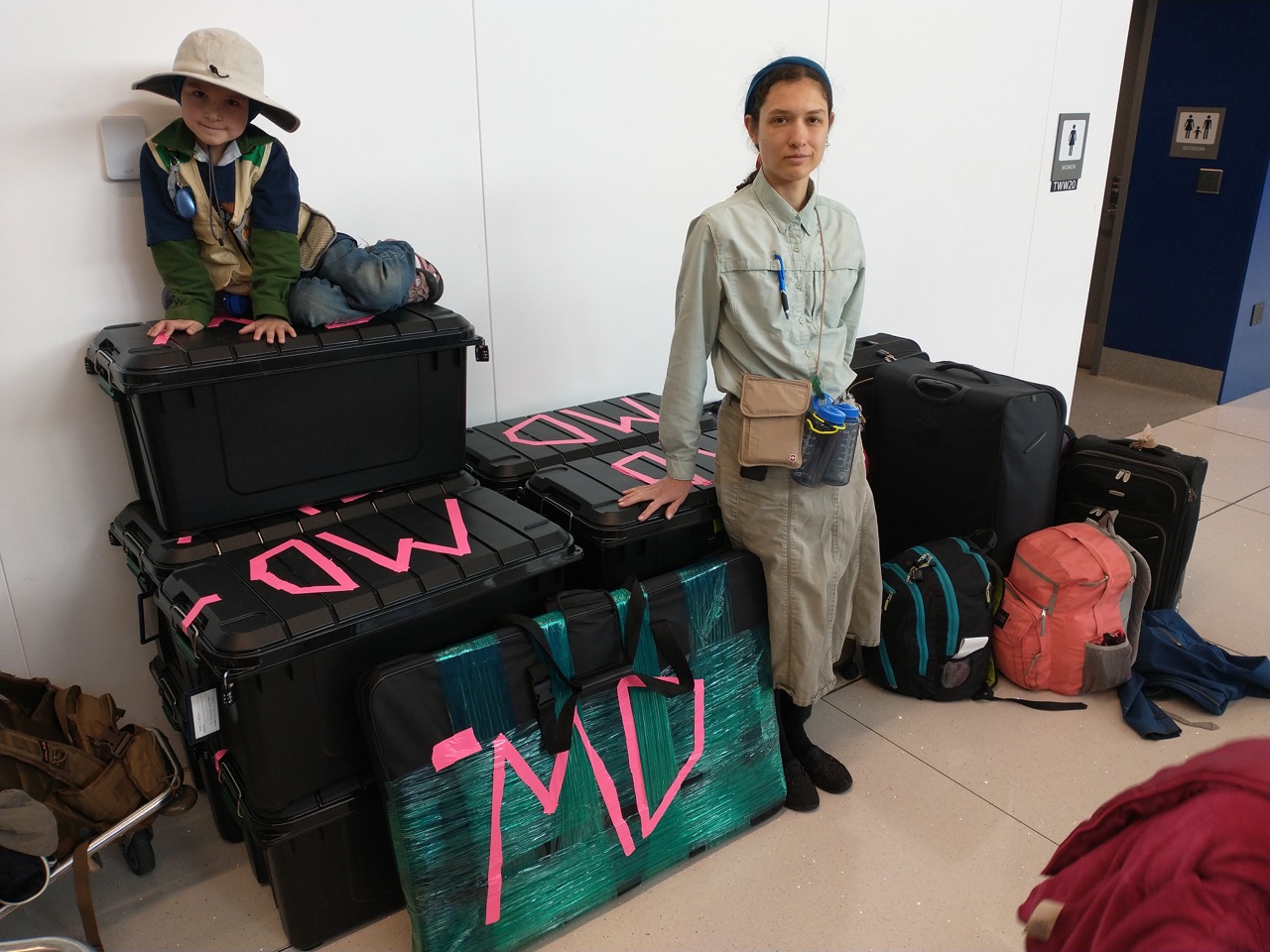
The night before the flight, Carmen and I got very little sleep. We were behind schedule when we arrived at the airport. At the airline check-in counter, several boxes were too heavy by a pound or two, so with precious minutes ticking by, we opened the overweight luggage and removed even more desired items and left them behind. We avoided overweight charges, but the checked bags cost $800 anyway. Our goodbyes to parents and siblings who accompanied us to the airport were necessarily cut short.
On a positive note, the TSA agents were excellent. The document checker only asked for the adults’ passports and then asked four-year-old Nathan his siblings’ names to confirm that we were all a family. And the screeners were not picky at all. We made it to our gate at the last call, with just a minute or two to spare. Even a slight delay in the security process would have seen us missing our flight. I have never been so pleased with TSA personnel as I was that day.


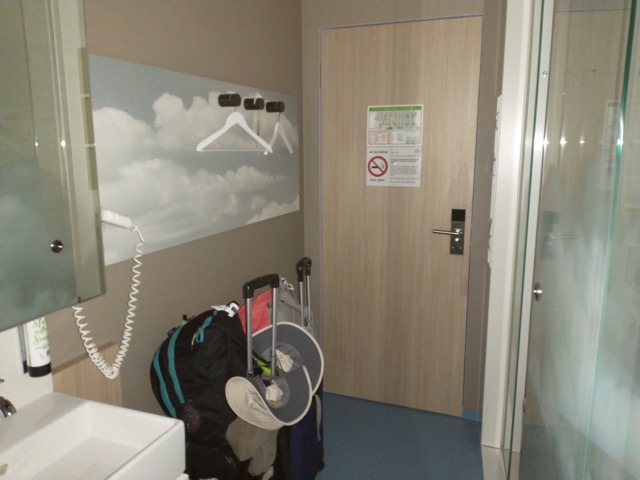
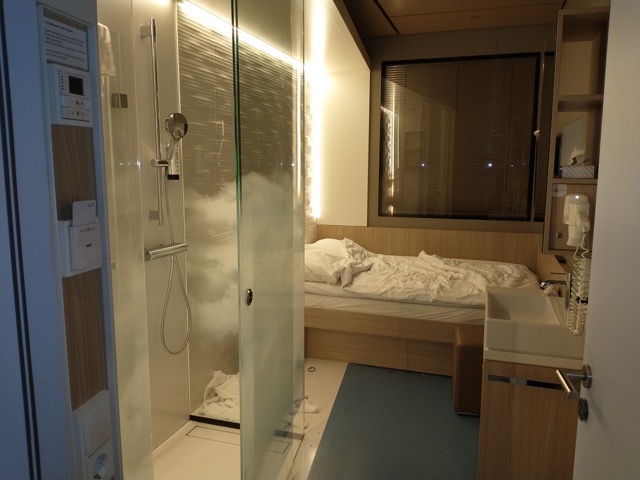
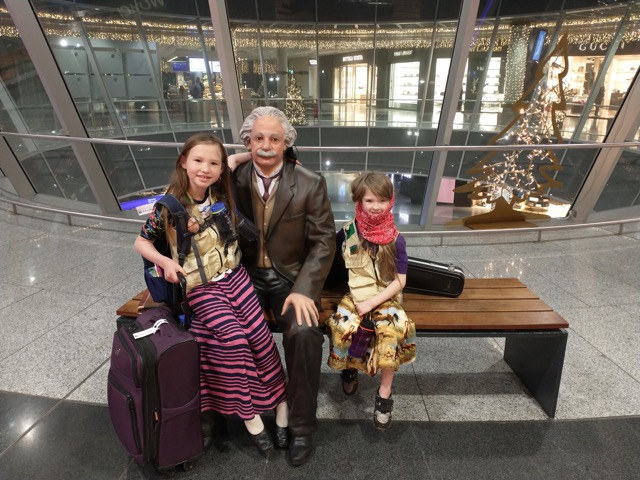
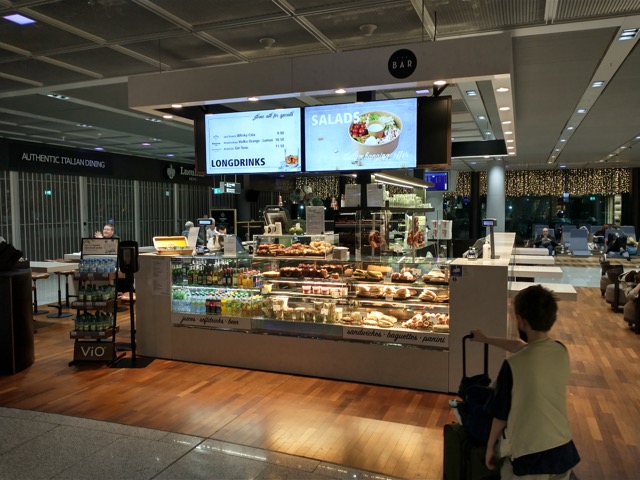
I (Michael) was a wreck when we landed in Germany. I had slept little on the trans-Atlantic flight, and I had a tremendous headache by the time we landed. We all crammed into a tiny room for 8 hours at the Cloud transit hotel at the Frankfurt airport, and we all got some rest. One of us had to sleep on the shower floor, and it was not cheap, but it was worth every penny.



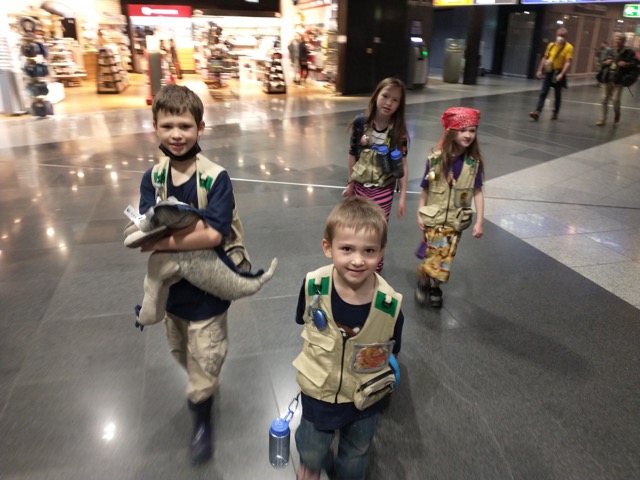
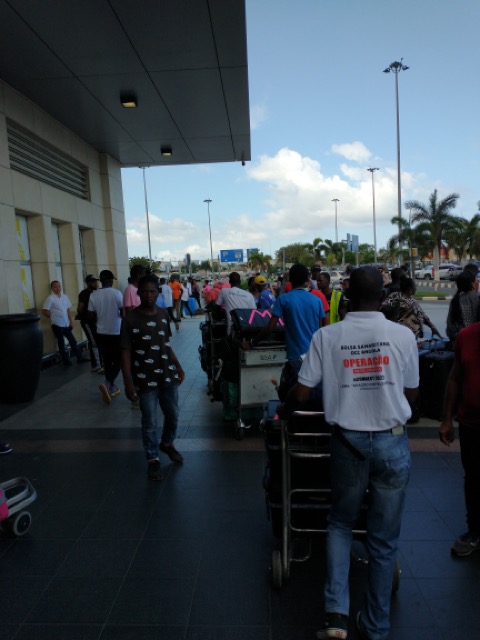
All of our bags arrived in Luanda, Angola. Some boxes had their locks broken, but none had been inspected, and nothing was missing that we could tell. We were helped by Nicolo, the airport security guard who had helped me on both of my previous trips. Thankfully we didn’t have to endure a COVID test on arrival in Angola; nobody even asked for our pre-flight test results.

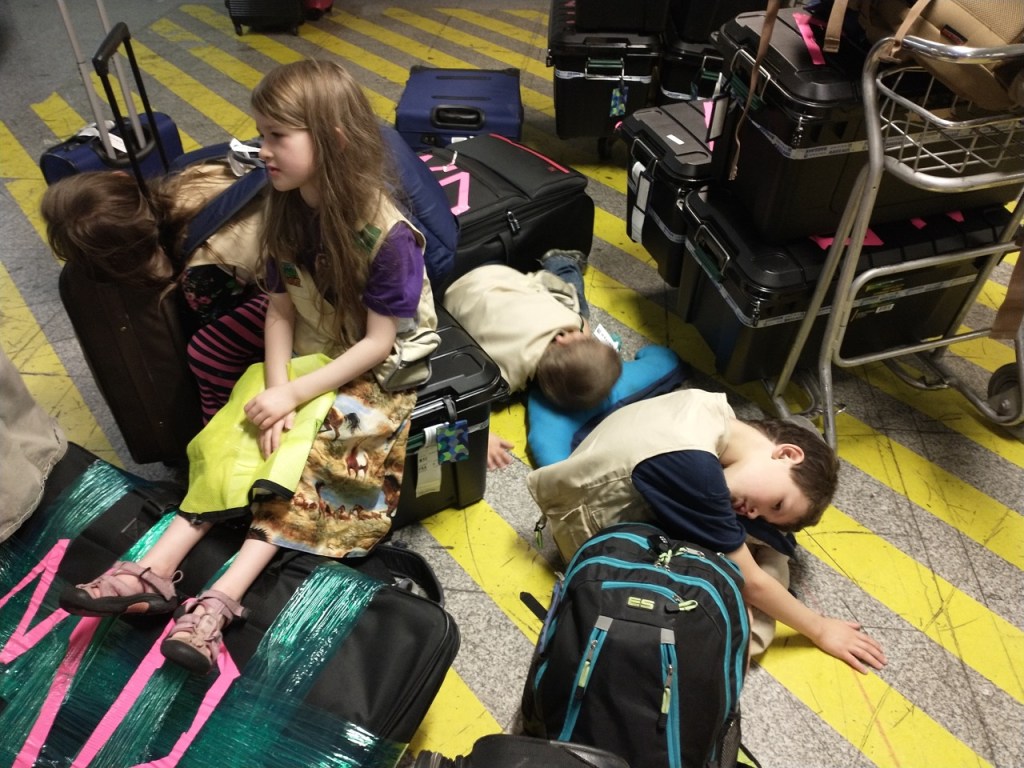

We had expected to get to our new home in three solid days of travel, but Wessel had arranged for us to stay in Luanda a few days to rest up and see our host country’s capital city. We stayed at the house of Pastor Pedro’s mother. It took two trips from the airport to the house in Luanda where we would be staying. The first trip took all six of us and some of our stuff, and the second trip got the rest of the boxes. Nicolo waited patiently in the airport parking lot with our stack of boxes.


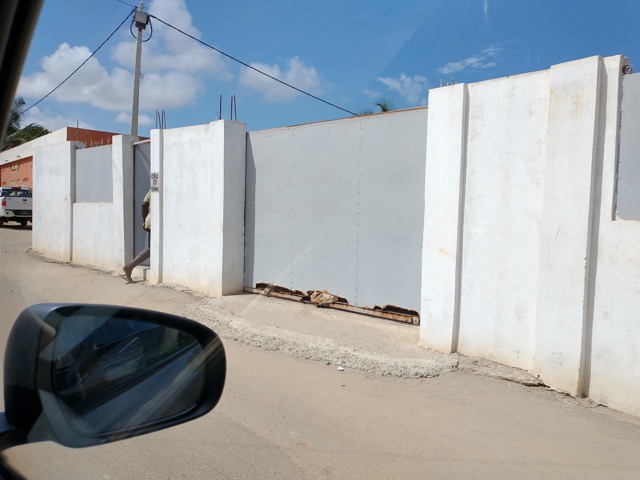
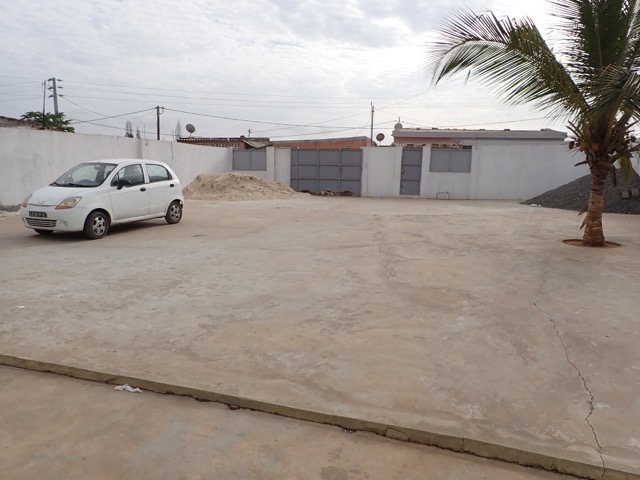
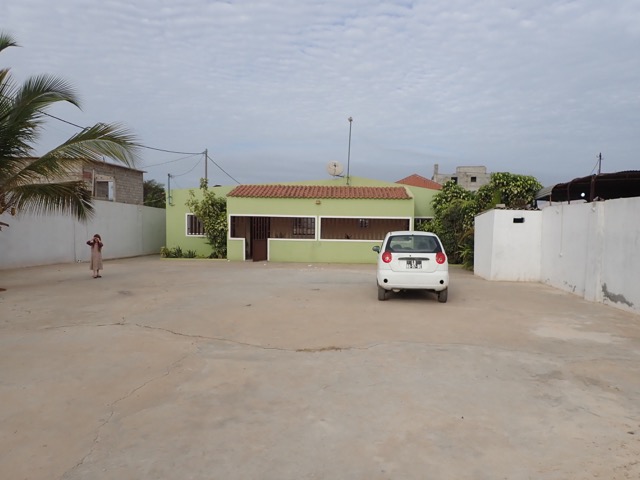
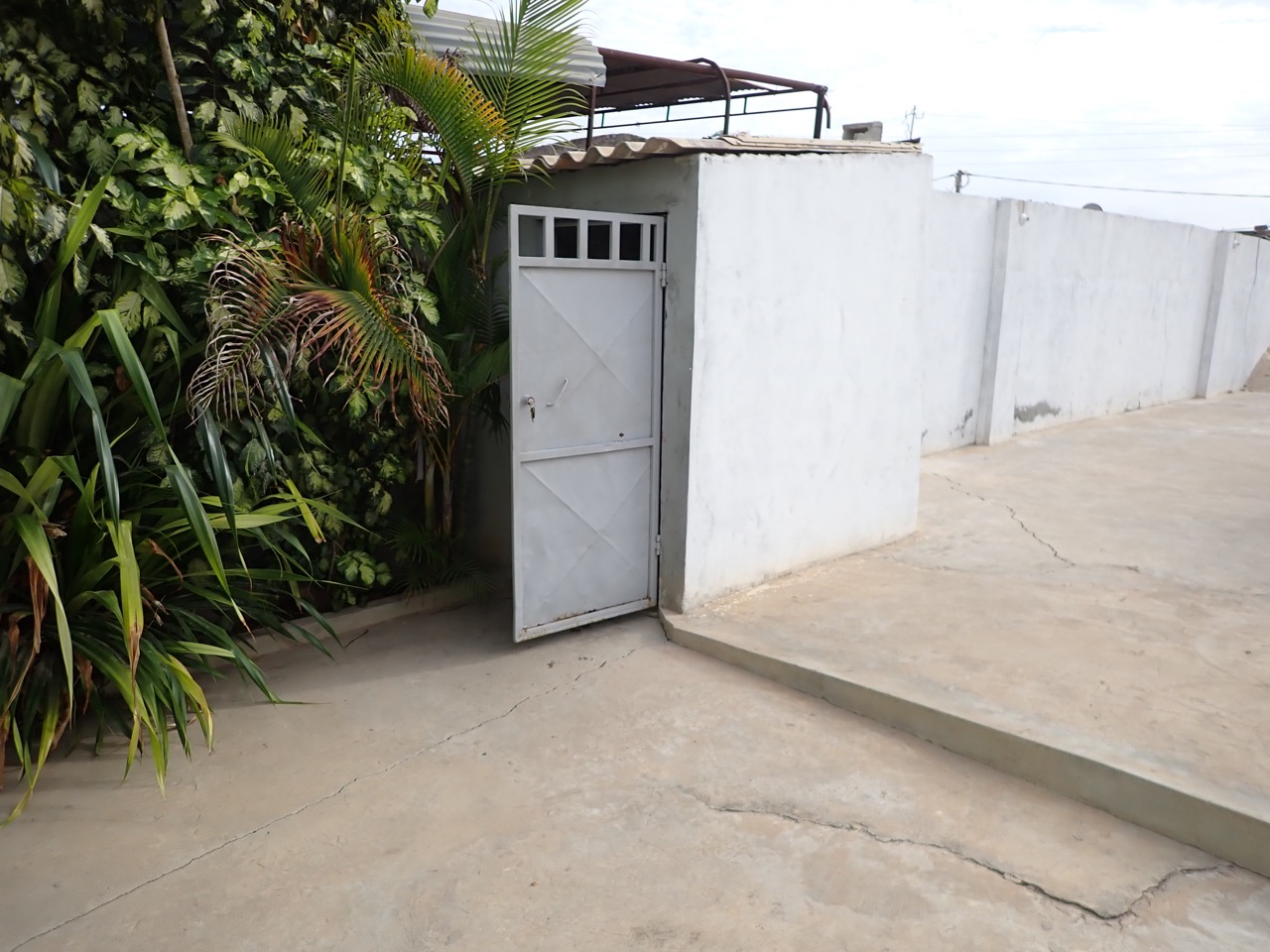
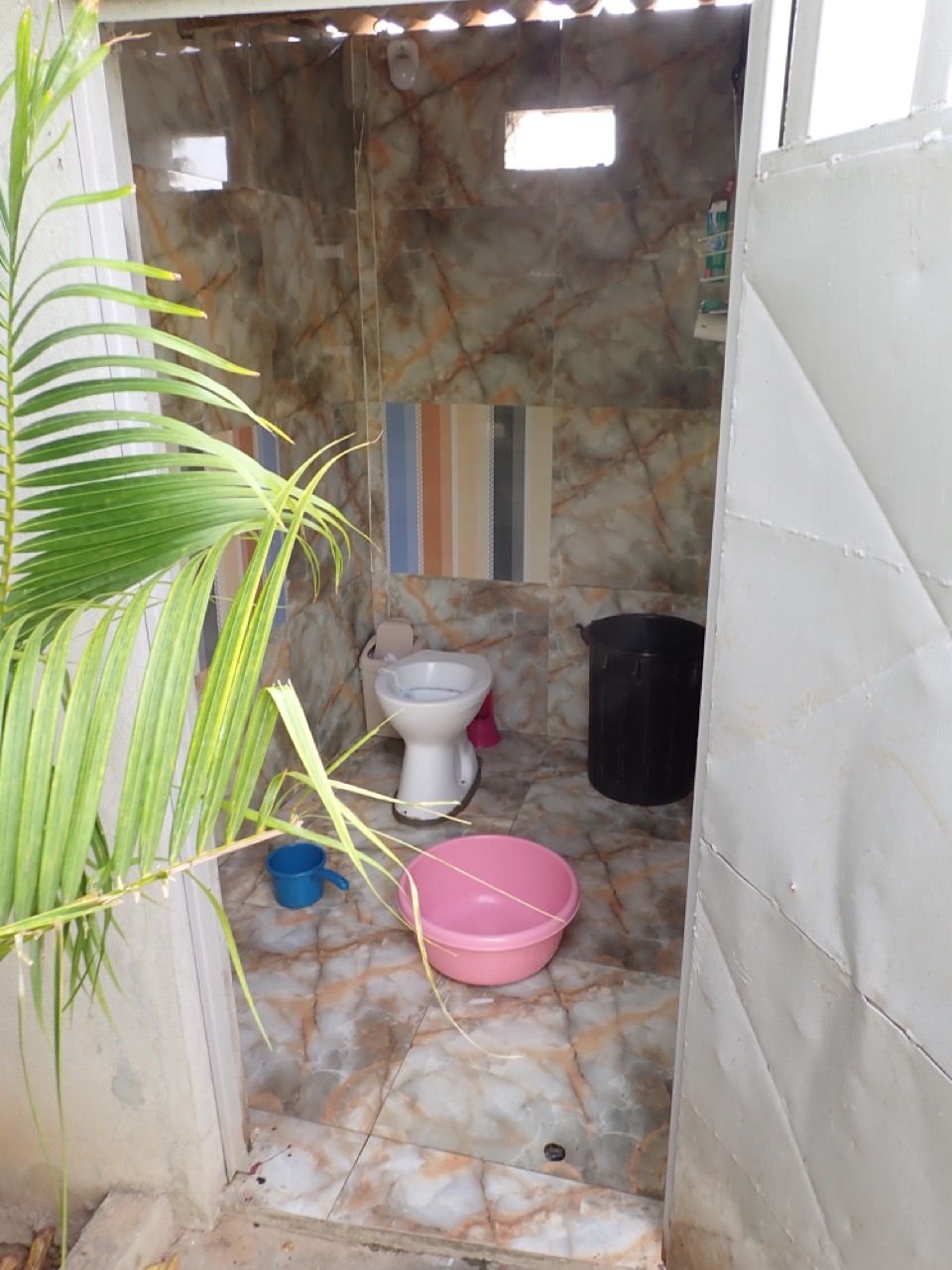
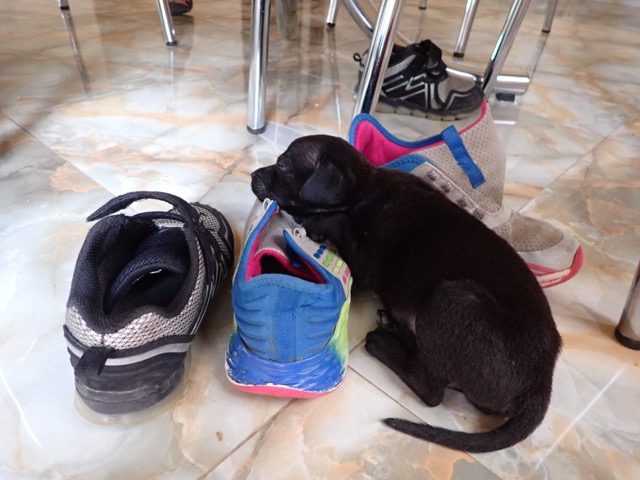
The house where we were staying was enclosed in a tall concrete wall with a gate and door. For added security, small bits of glass were embedded in the top of the wall. The front yard was a cement slab with a few trees poking through. Our room had two beds and an air conditioner. The bathroom was an outhouse in the front, and it had a typical setup, with just the toilet bowl with a barrel of water and a pitcher for flushing. A trash can was provided for toilet paper, as most plumbing in the country was not designed to handle such waste. The wall to the right had a shower head, and a drain was set into the floor. A prominent feature of the backyard was the cistern. A hatch was set into the wall for the city water trucks to run a hose to the cistern. Our kids kicked a soccer ball in the front yard with other children late into the evening.


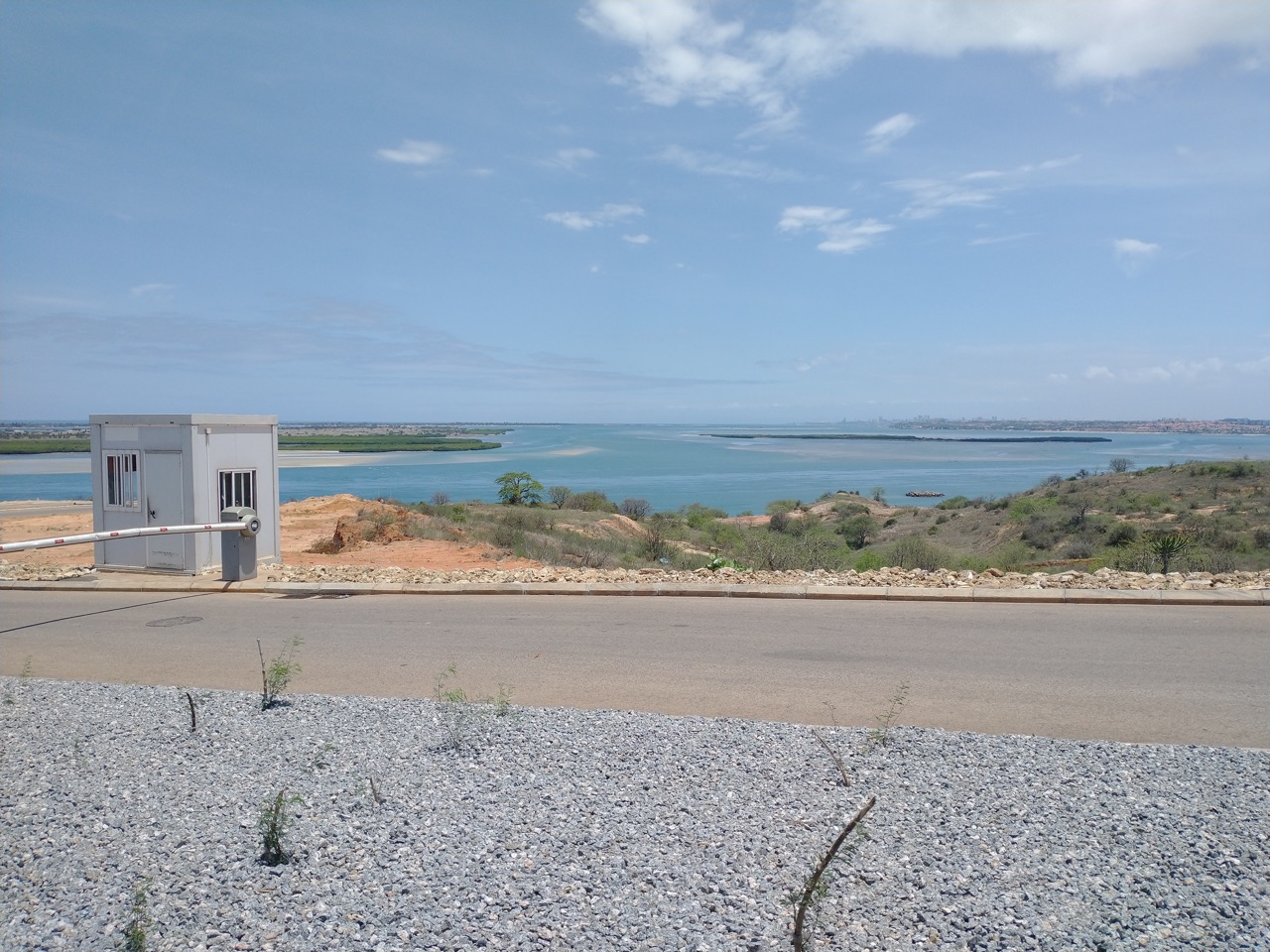
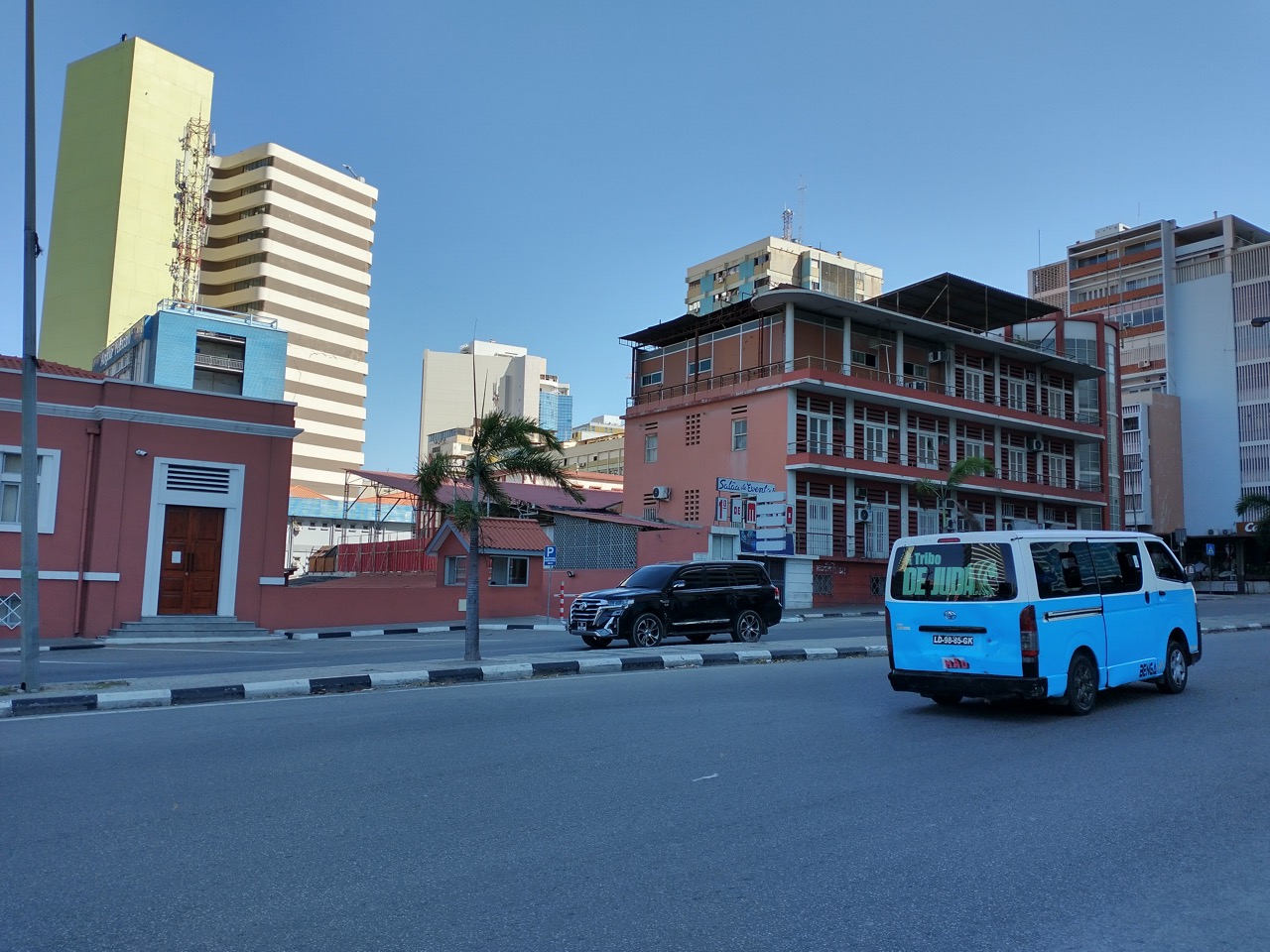
On our first full day in the city, Pastor Pedro took us to see the beach and an outdoor artist market. Nathan’s condition deteriorated as we drove, and he threw up all over himself and his mother, thus ending our first sightseeing trip. On a later day, once we were more rested, he showed us many of the popular sights in Luanda.



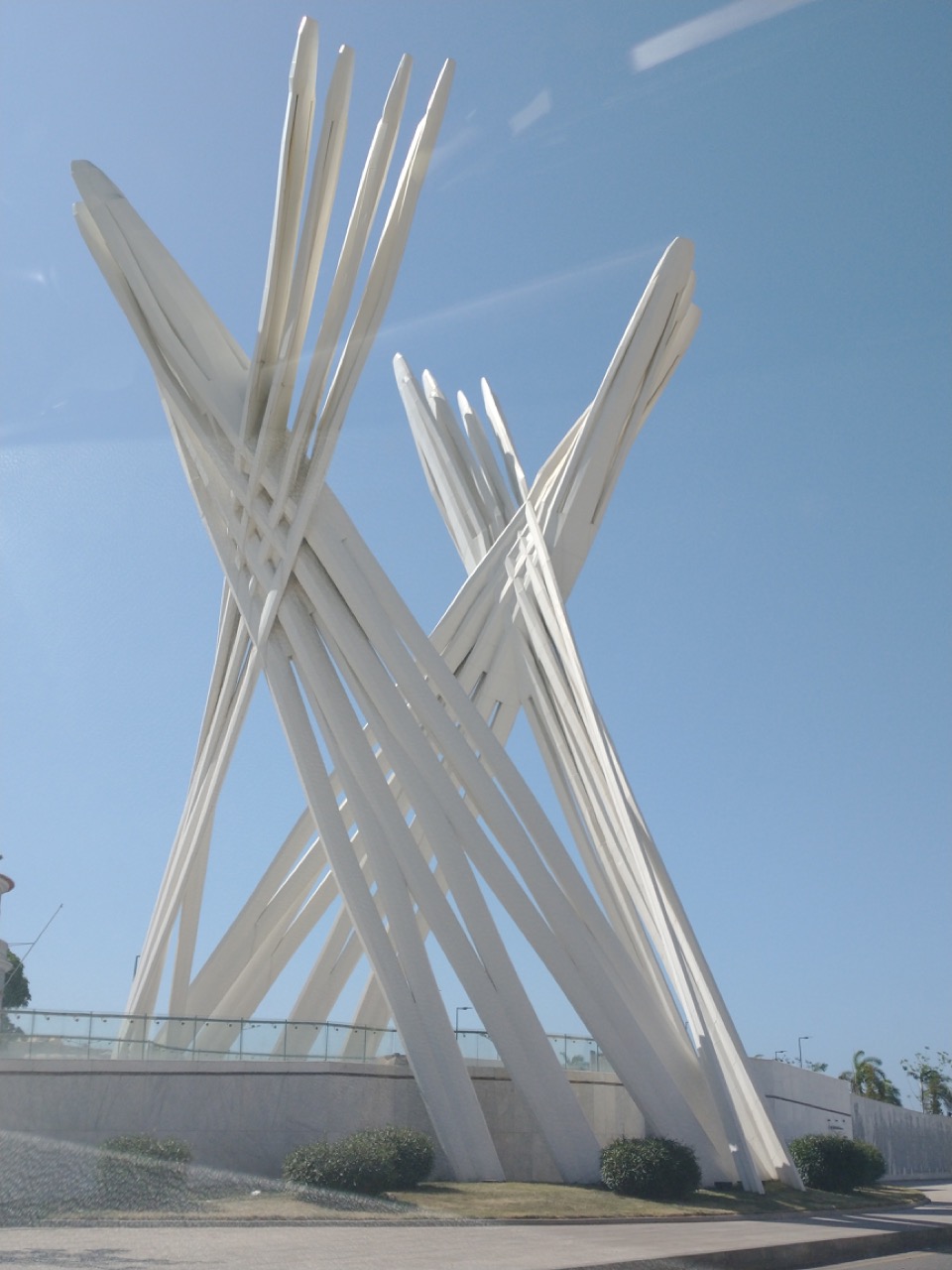
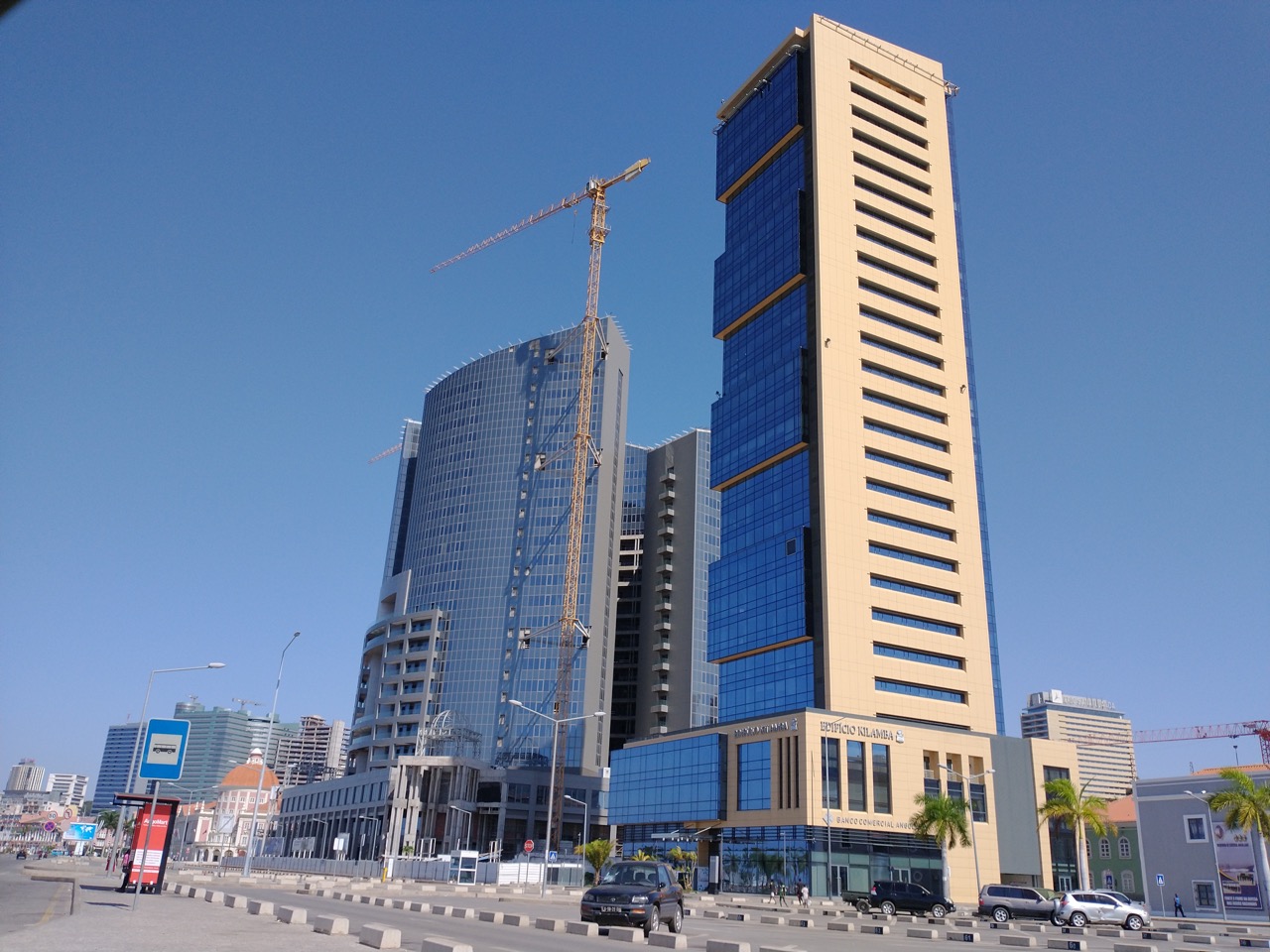

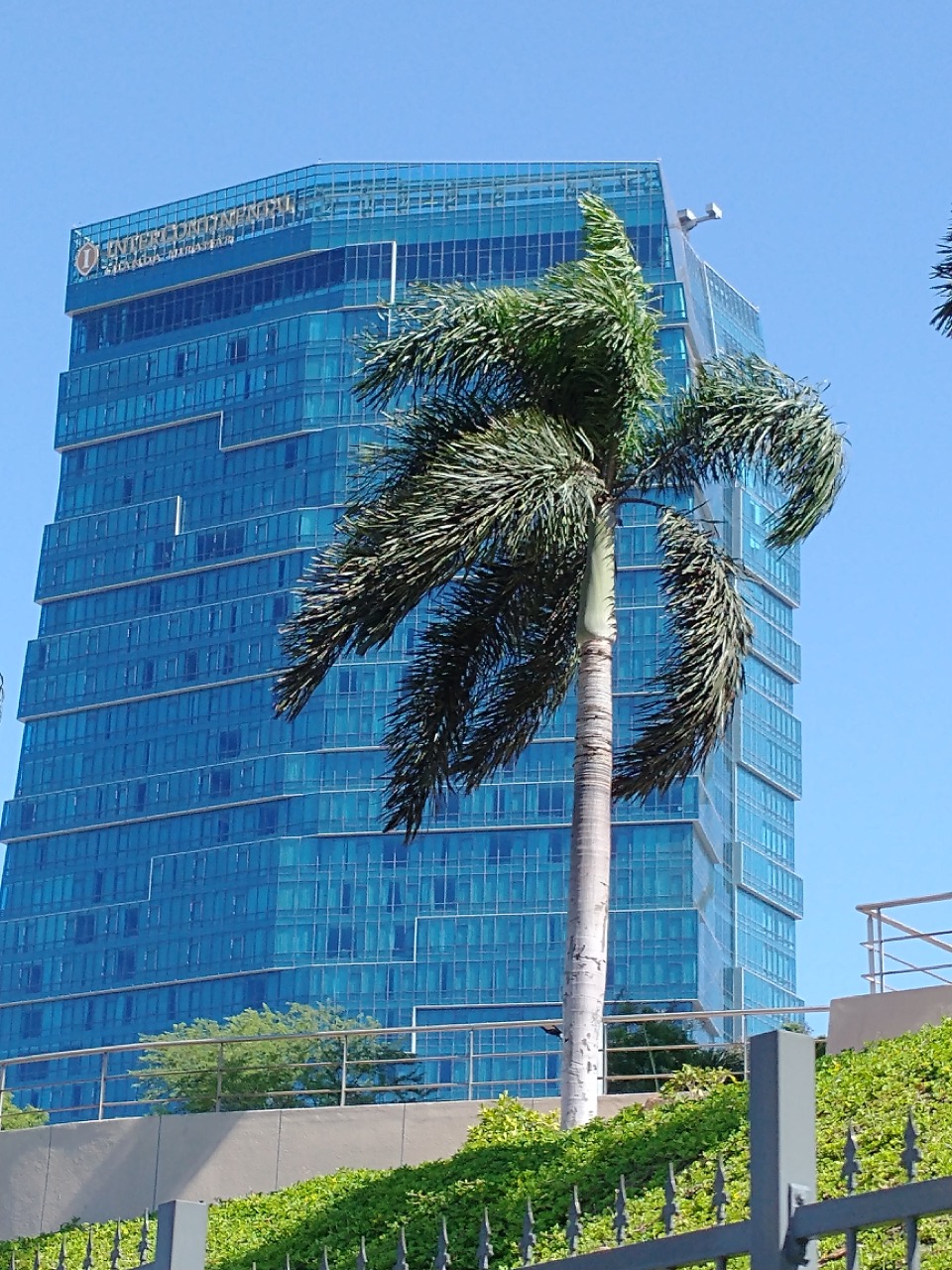
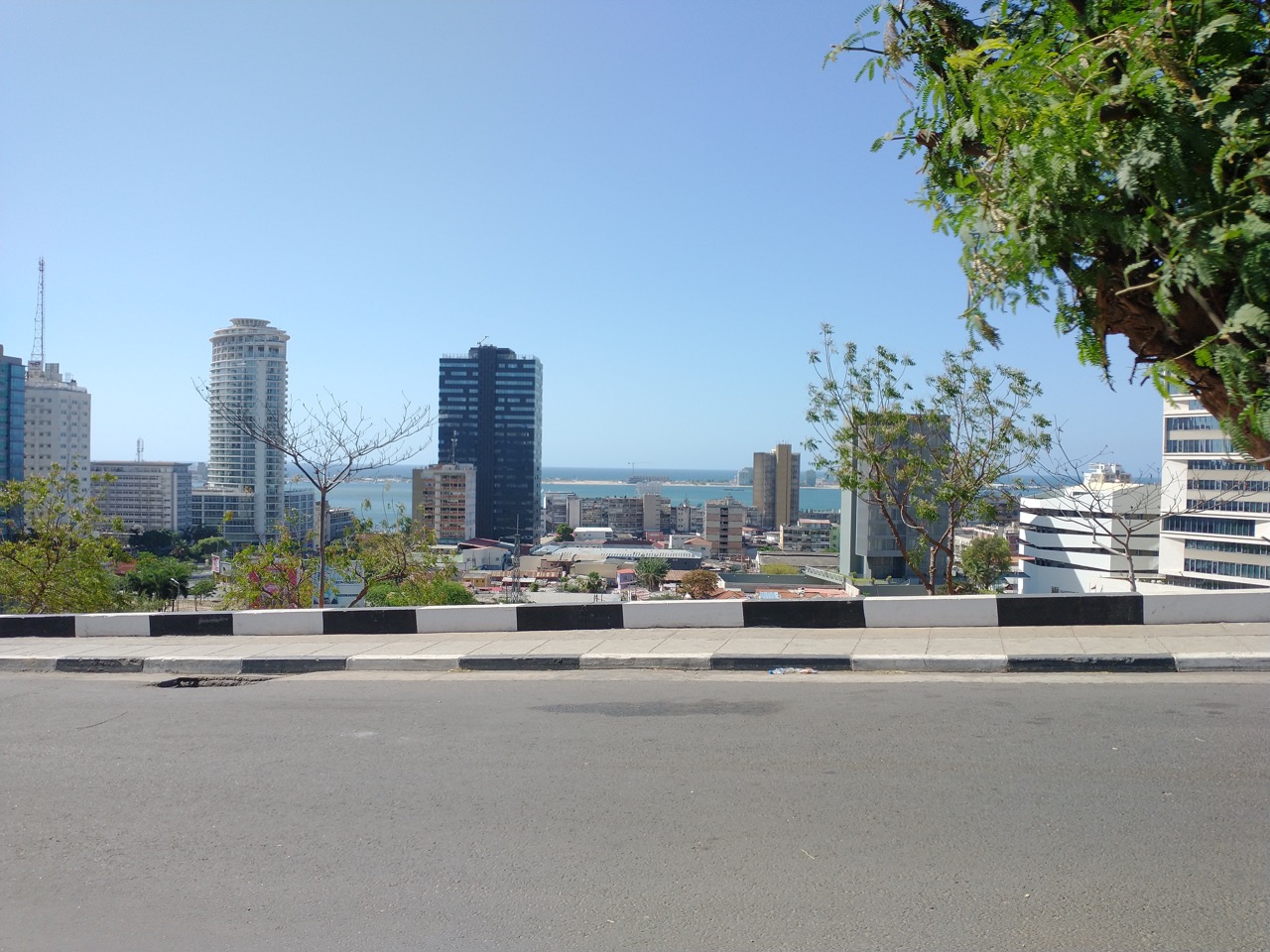


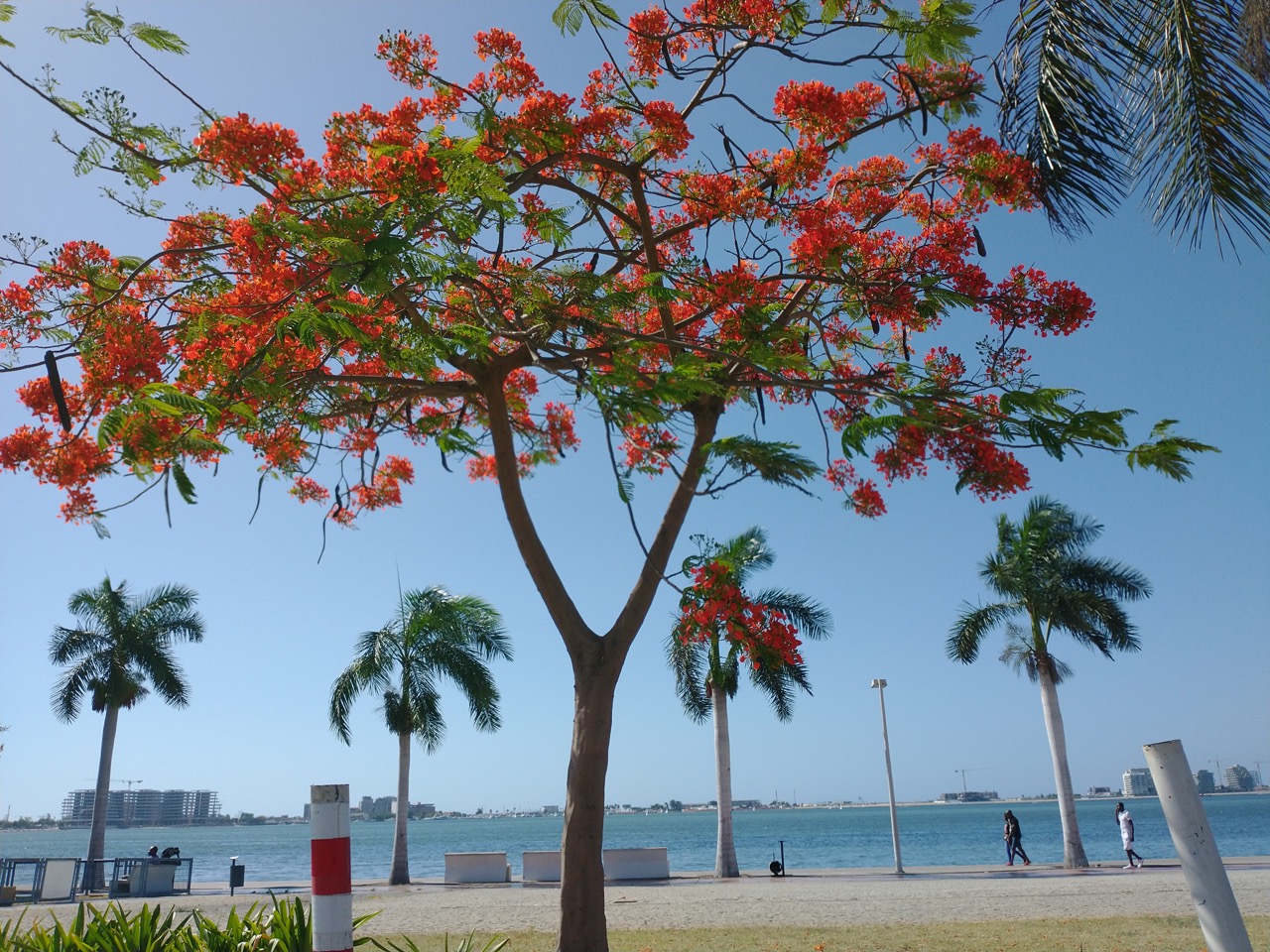
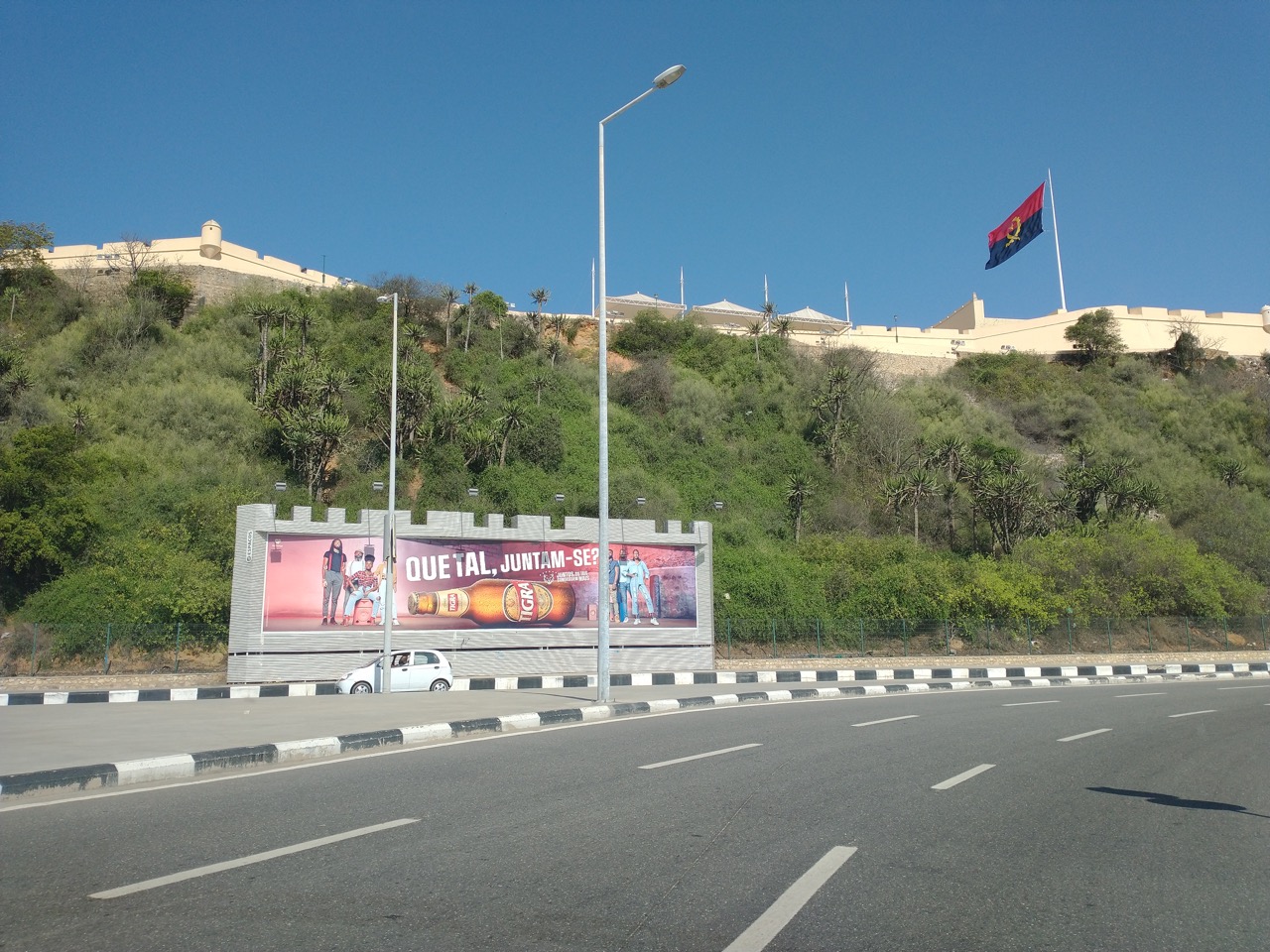
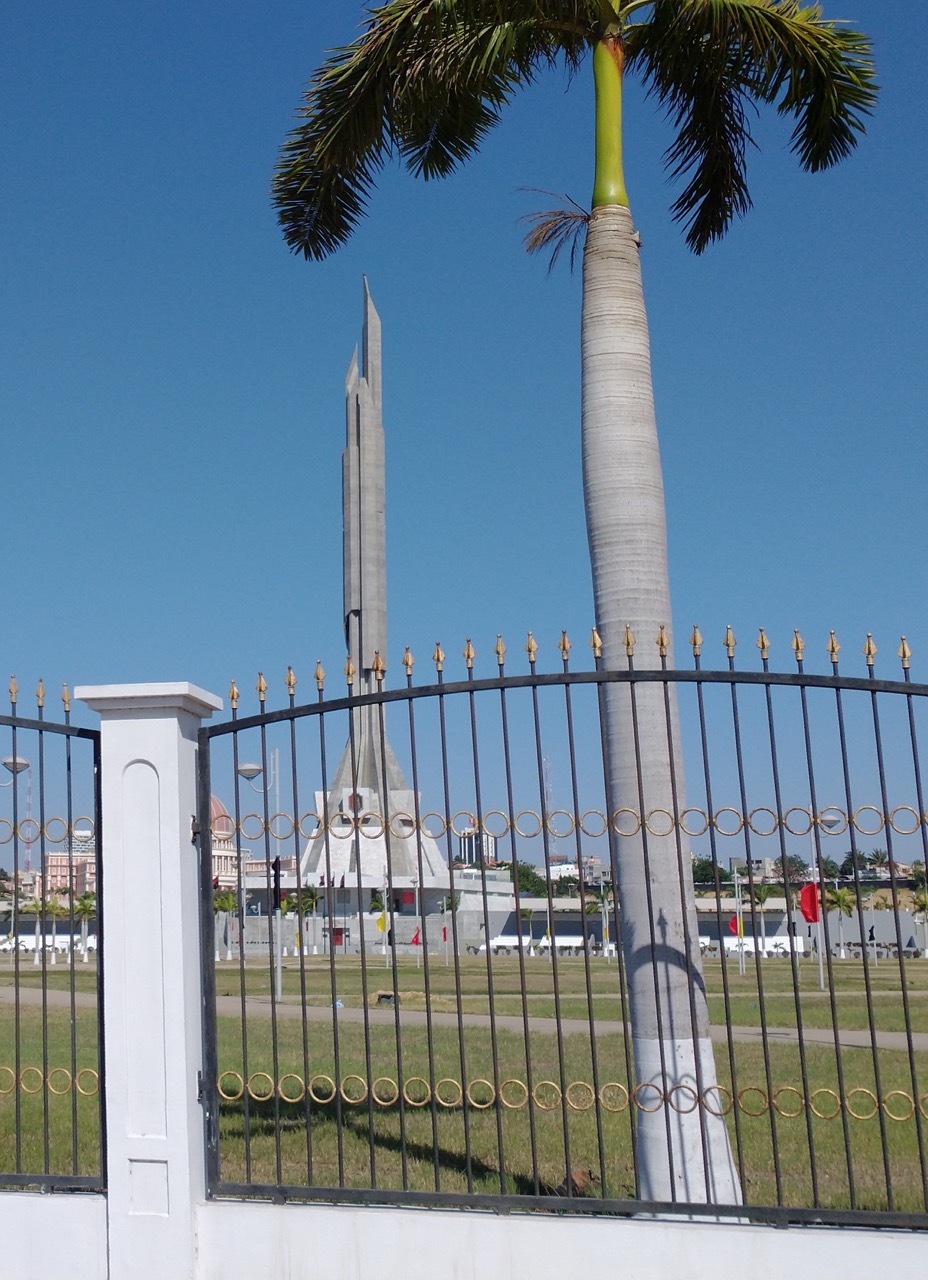
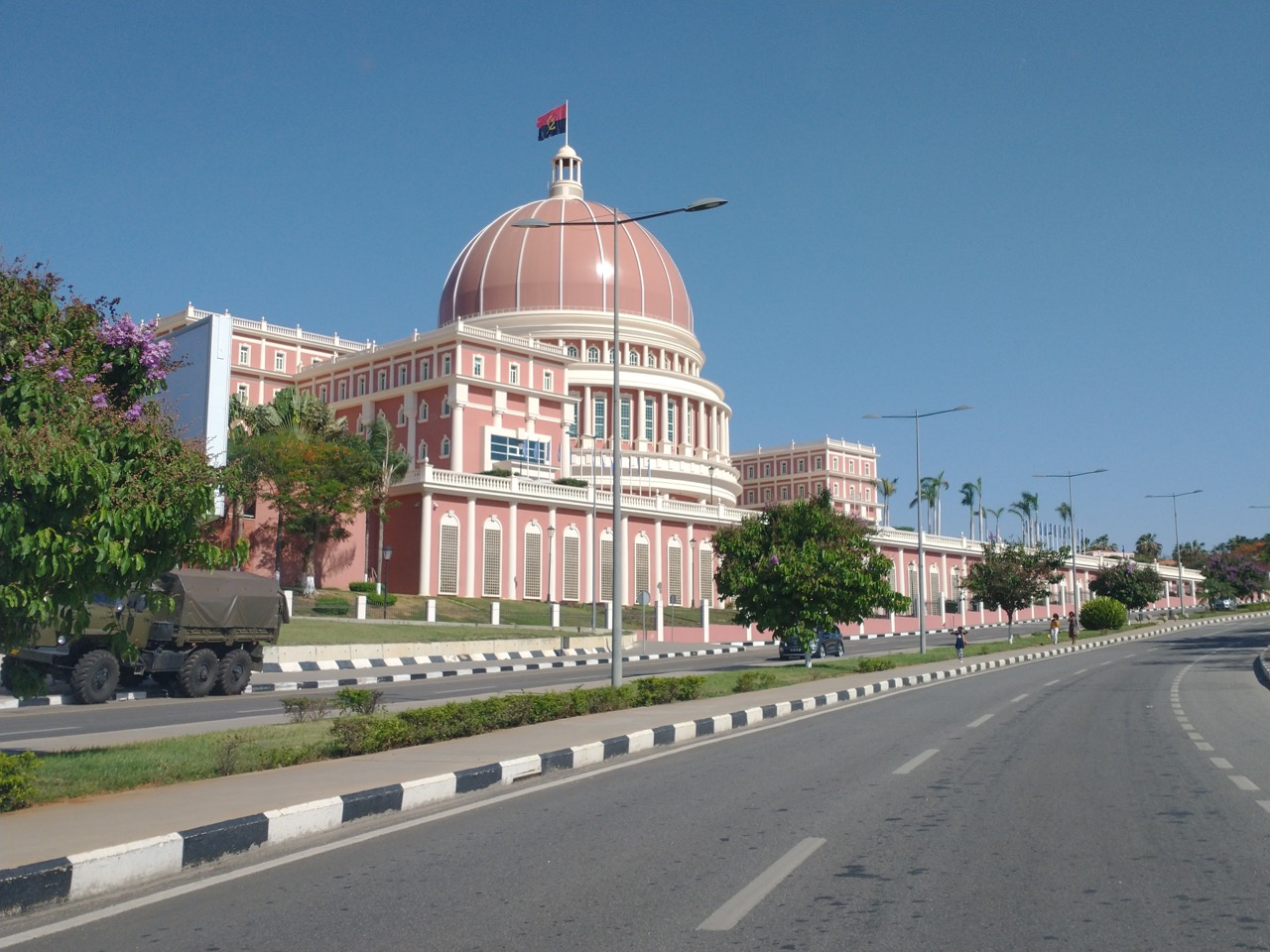

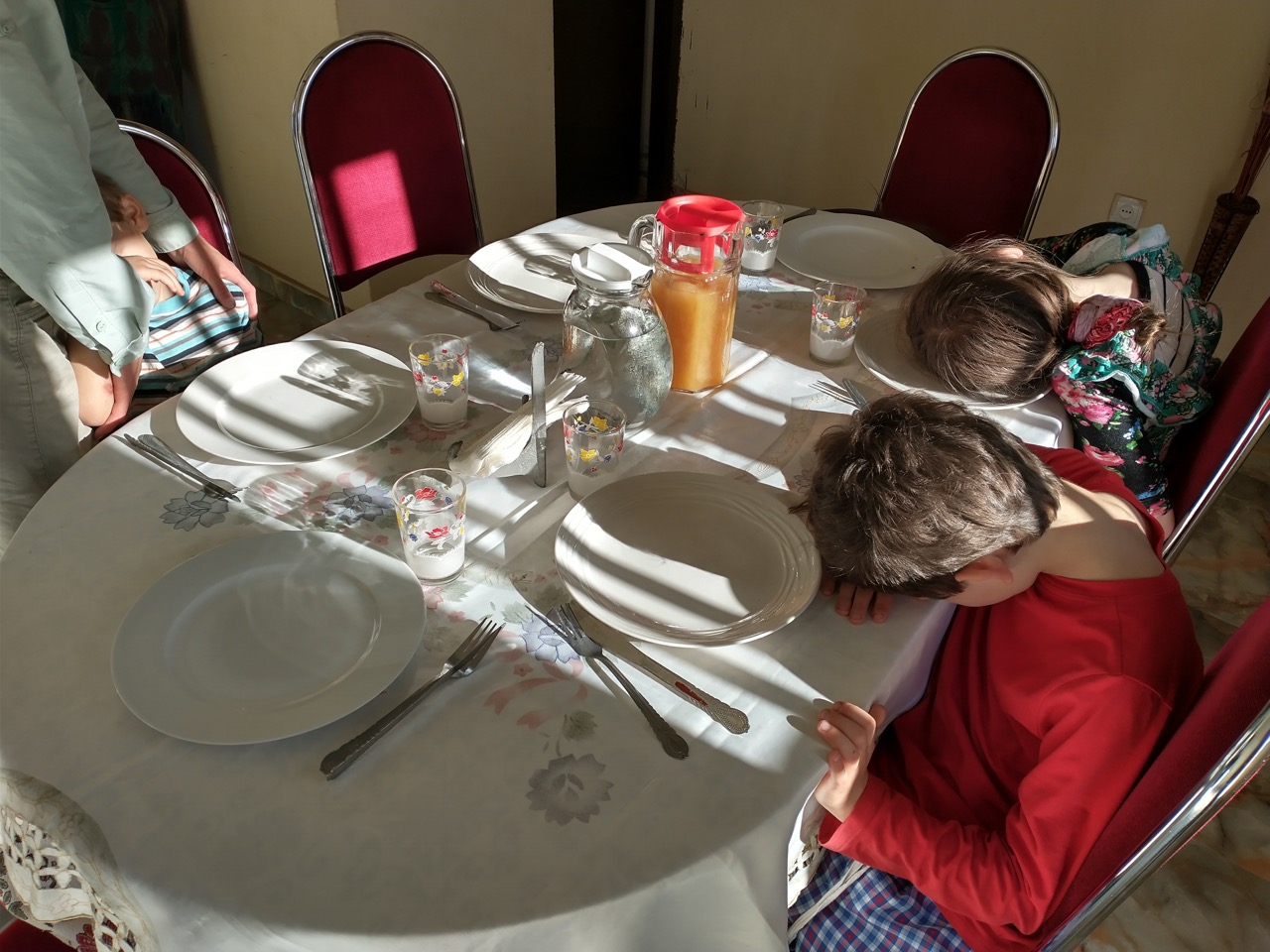
When we got back to the house after our first excursion, the children struggled even to stay awake at the dinner table. We were all so jet-lagged, tired, and sick the next 24 hours, we just slept, ate, and drank. I think our hosts were surprised at how much water we needed to maintain our health.
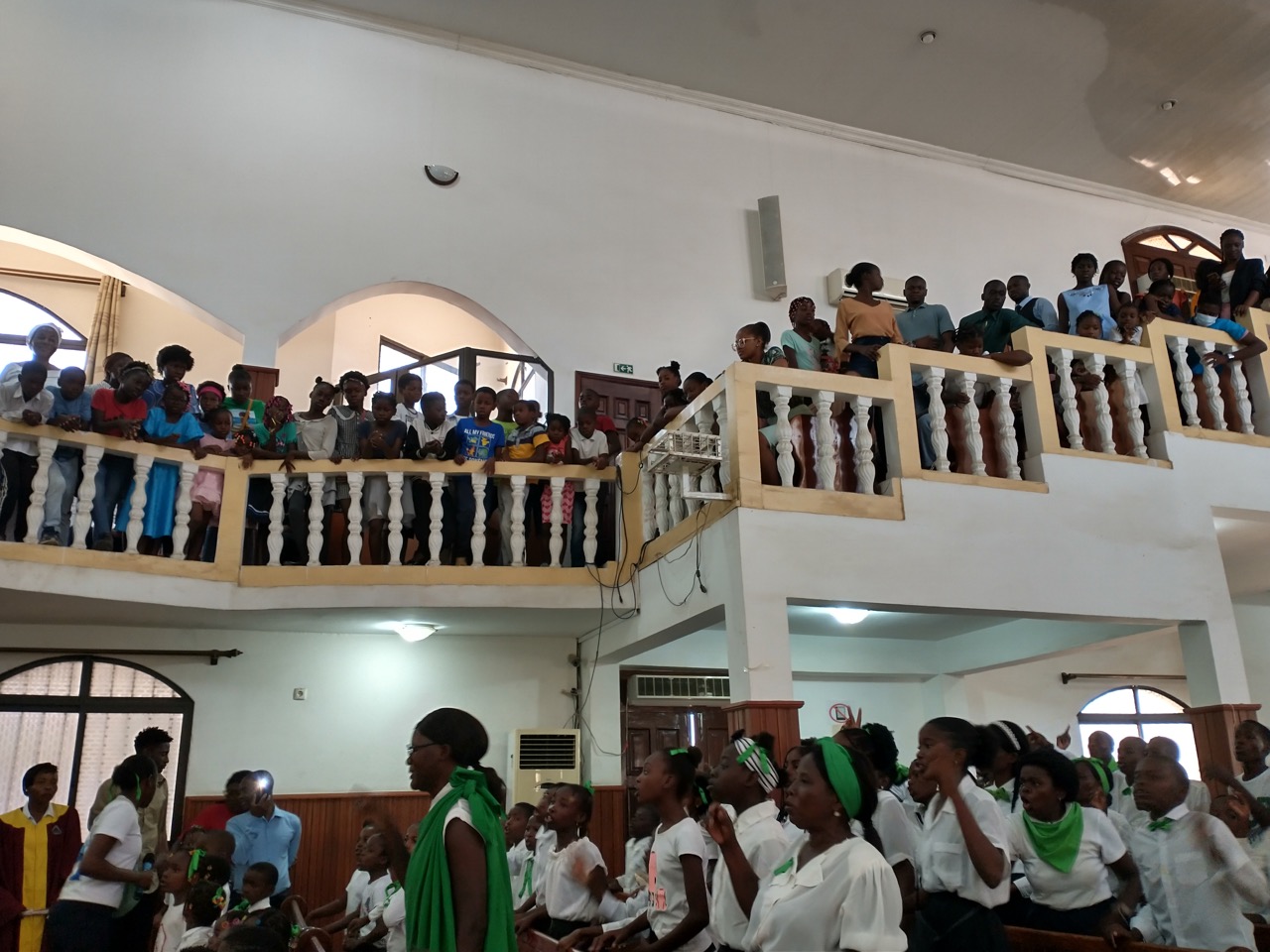
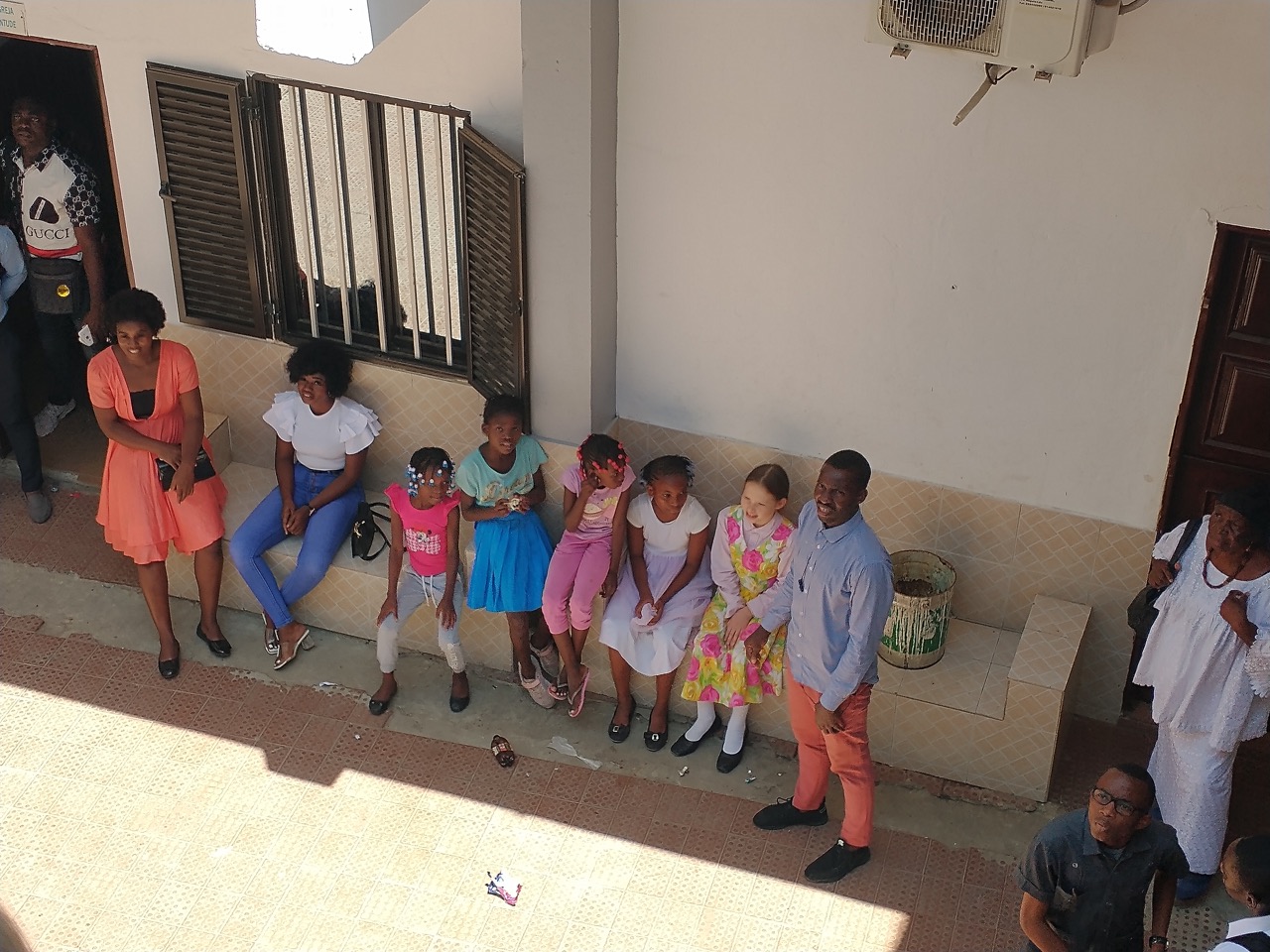
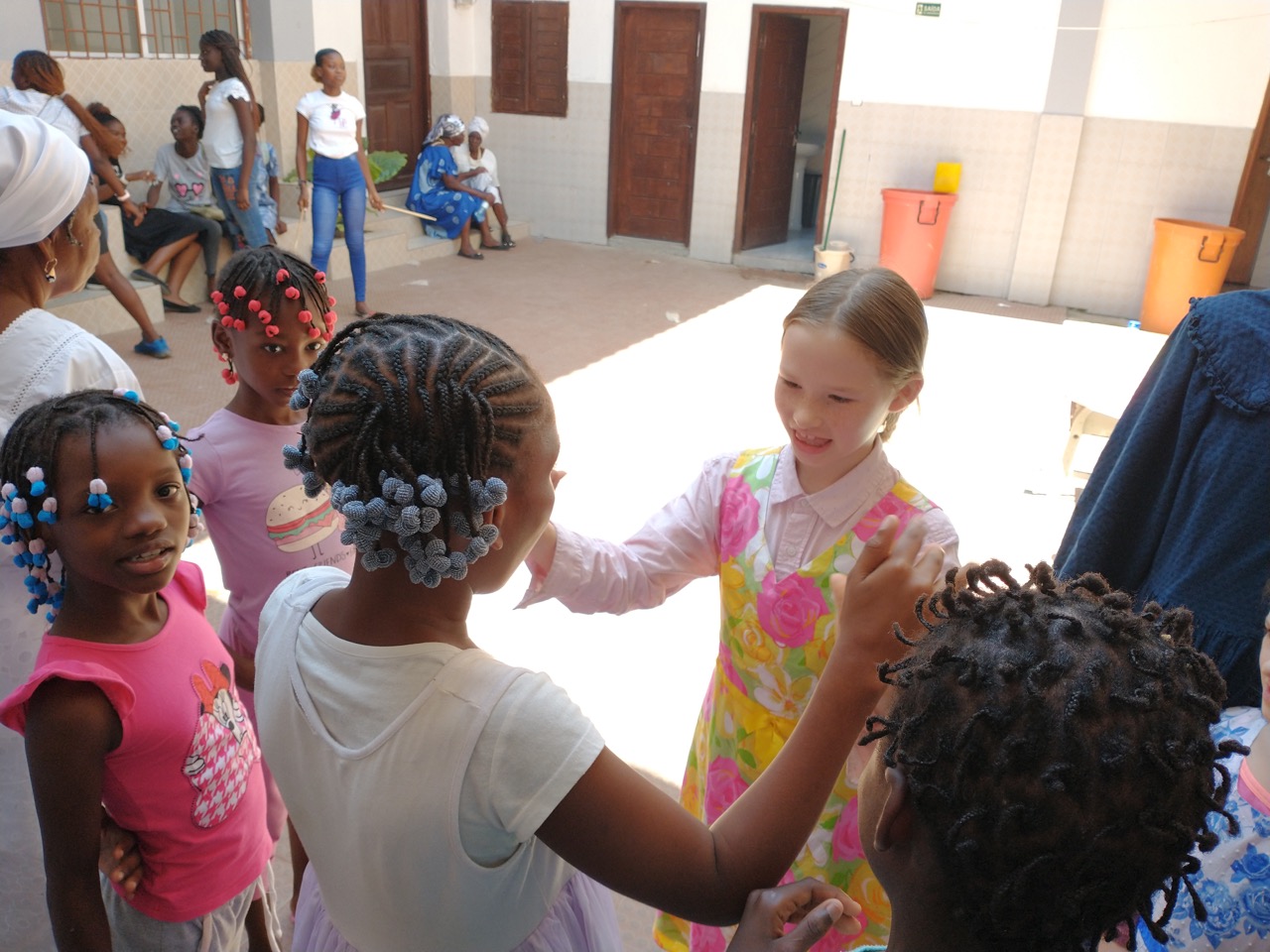
On Sunday, we attended Pastor Pedro’s church. Several area churches were in attendance. Groups from the different churches performed songs, skits, and readings. My family was introduced to the congregation, and I said a few words. Carmen and I were presented with beautiful cashmere scarves as a welcome gift. A school was connected to the church with a courtyard between them. While we waited for the meal that was being prepared, our kids played with children from the church and school.



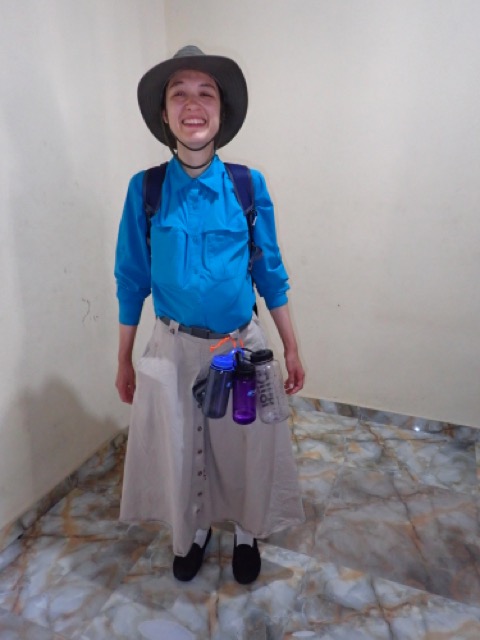
After our stay in Luanda, it was time for the bus ride to Menongue. All of our bags were so full that we had to fill all of our pockets with stuff and strap the water bottles to our clothes with carabiners. Two trips to the bus depot later, and we were standing with all of our luggage next to a bus that looked too small for the stack of boxes that we had. It took them a while to get it all in the cargo area under the bus. A man named Mauro accompanied us. I had met him on both of my previous trips to Angola, and it was a comfort to have him with us, even though we couldn’t communicate very well. It was a long bus ride. Because of his age, Nathan didn’t get his own seat. Carmen held him most of the way, and there was never a complaint from either of them.
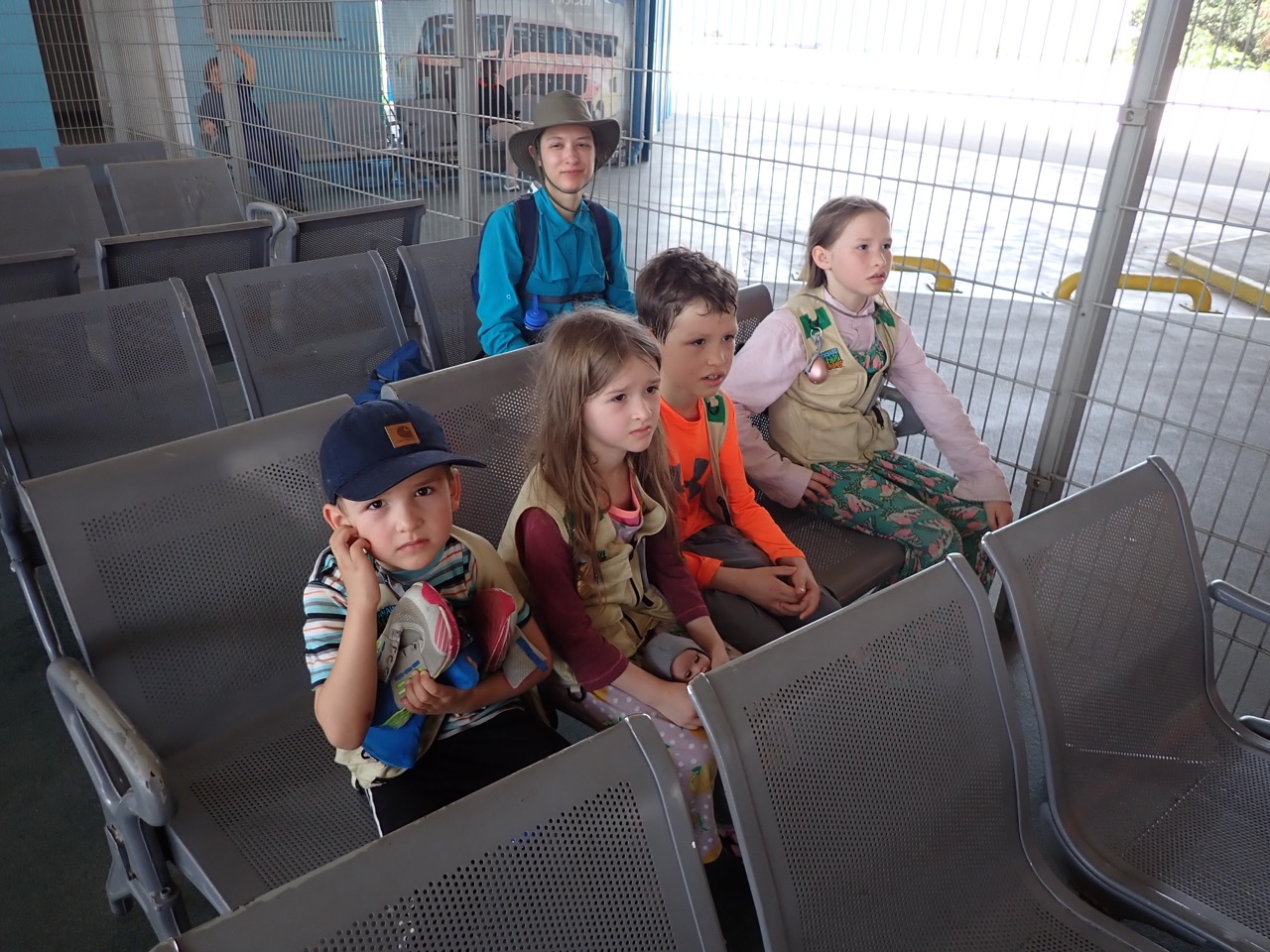
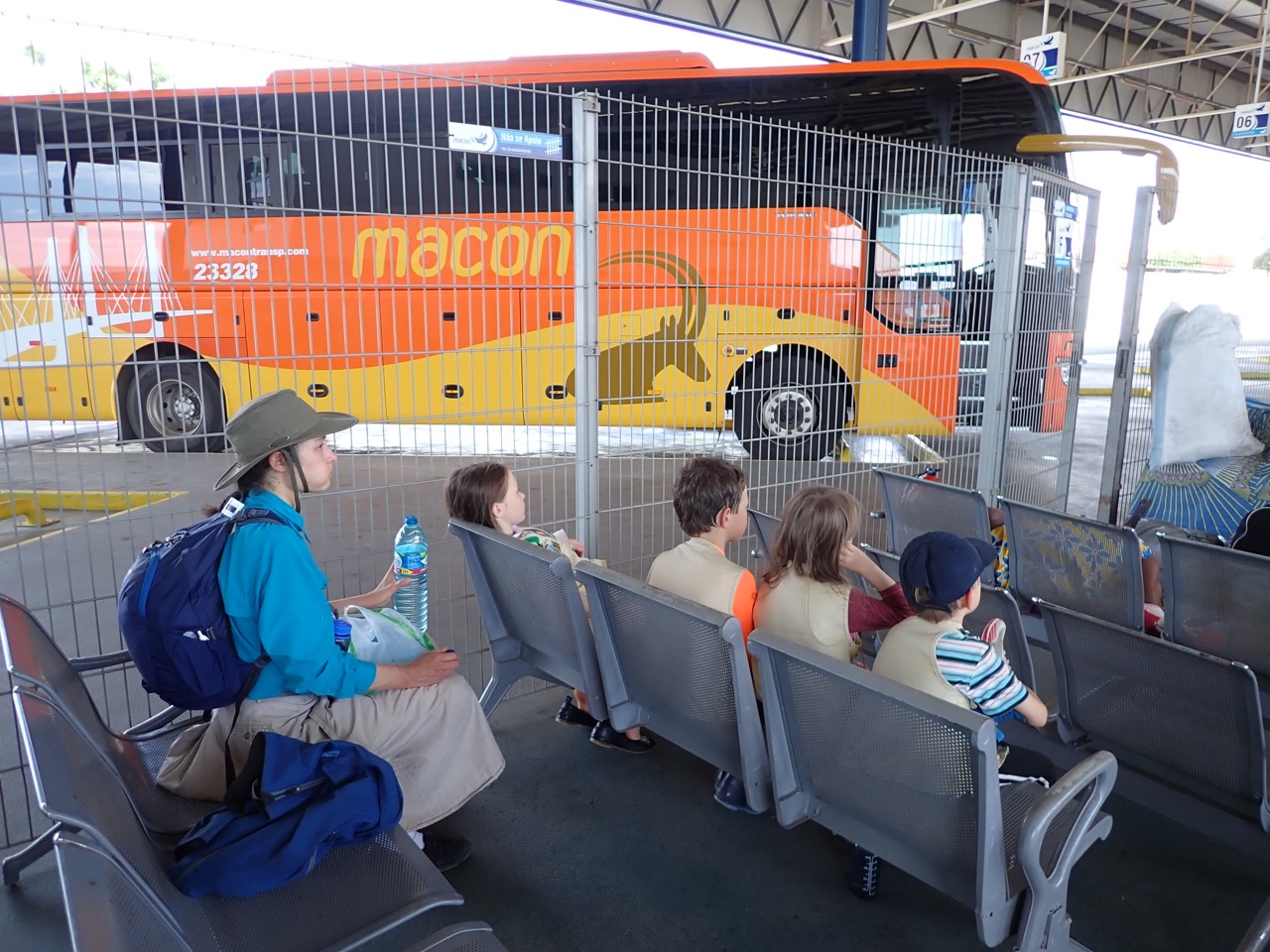
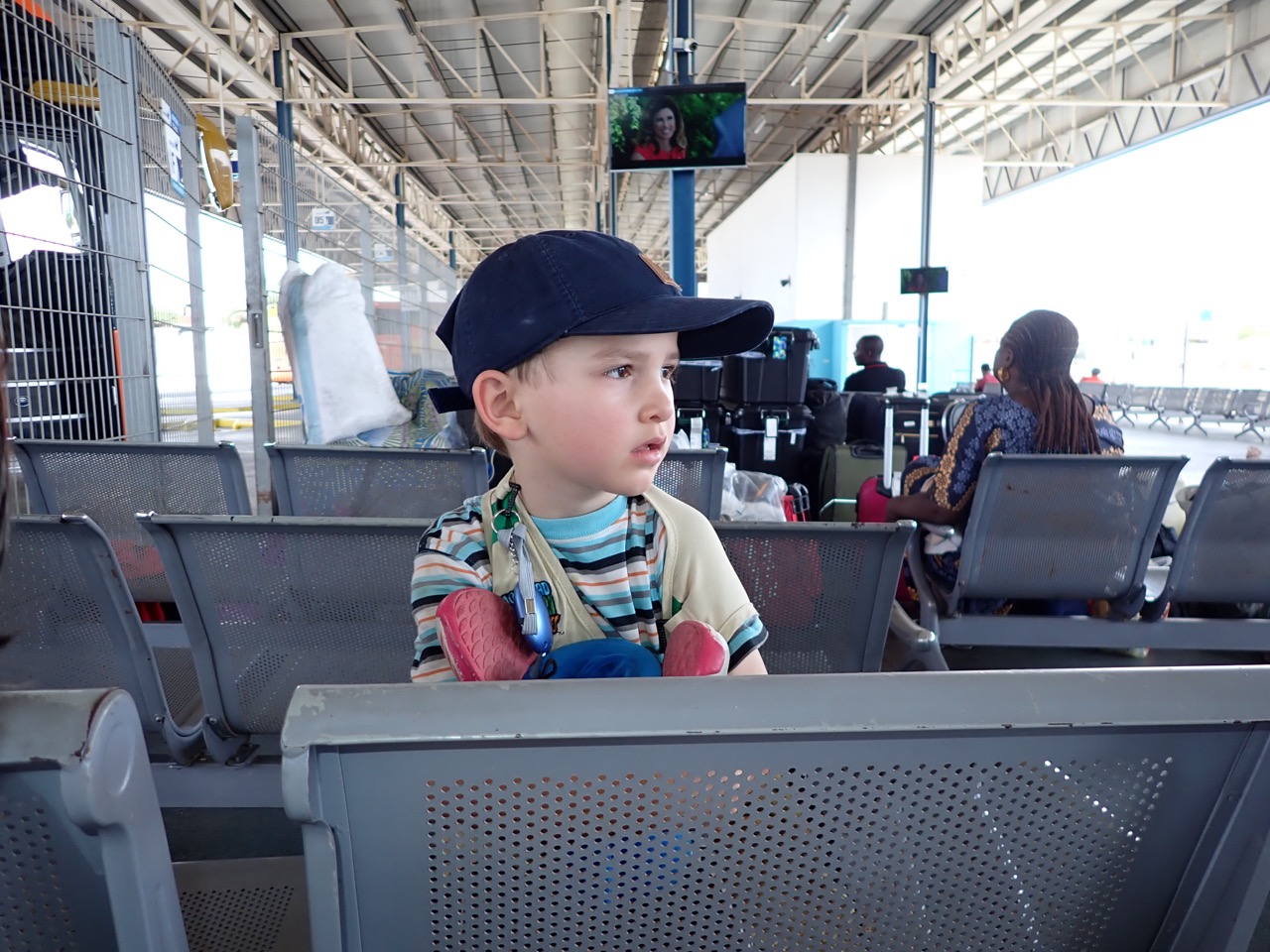
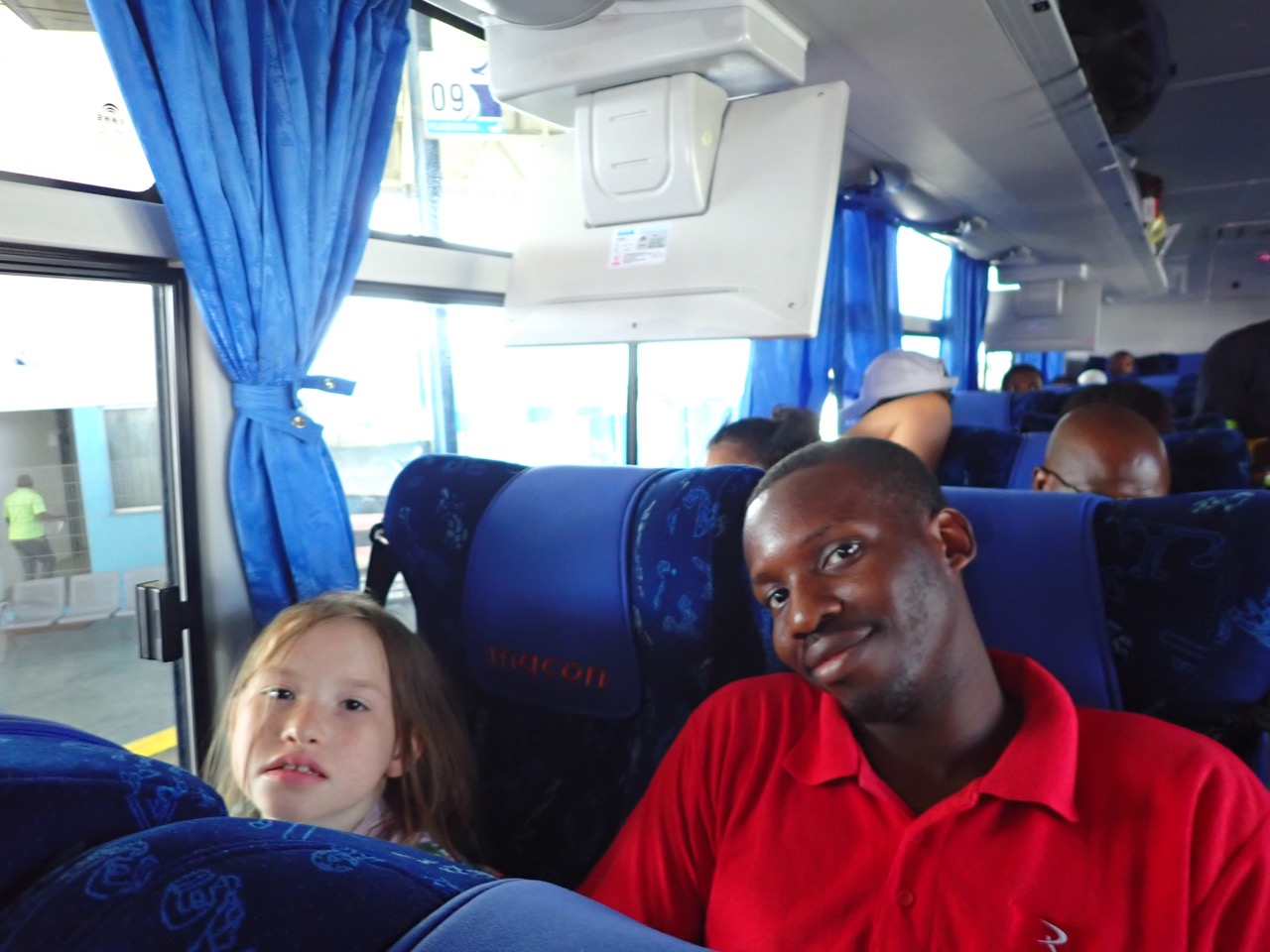
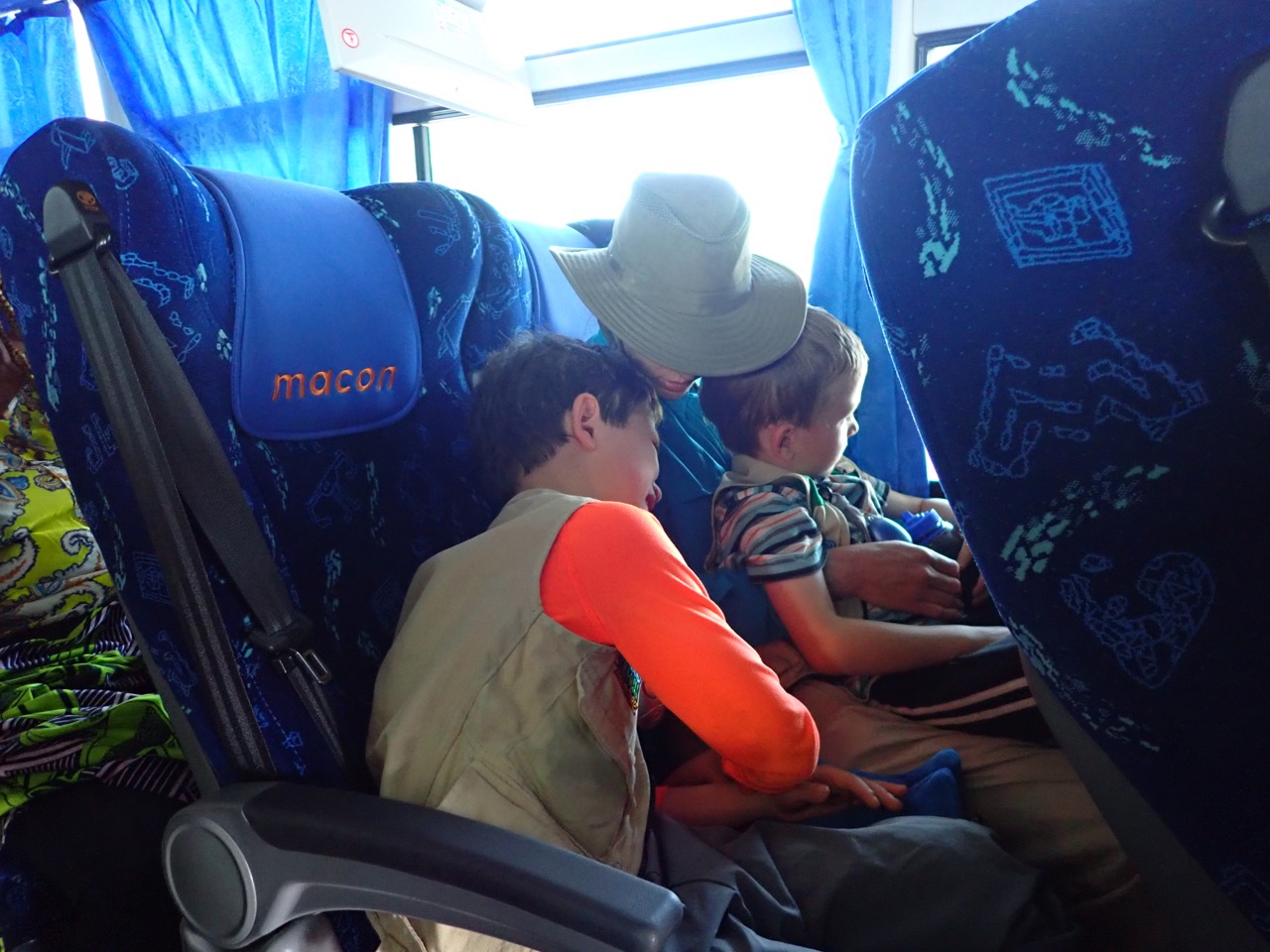
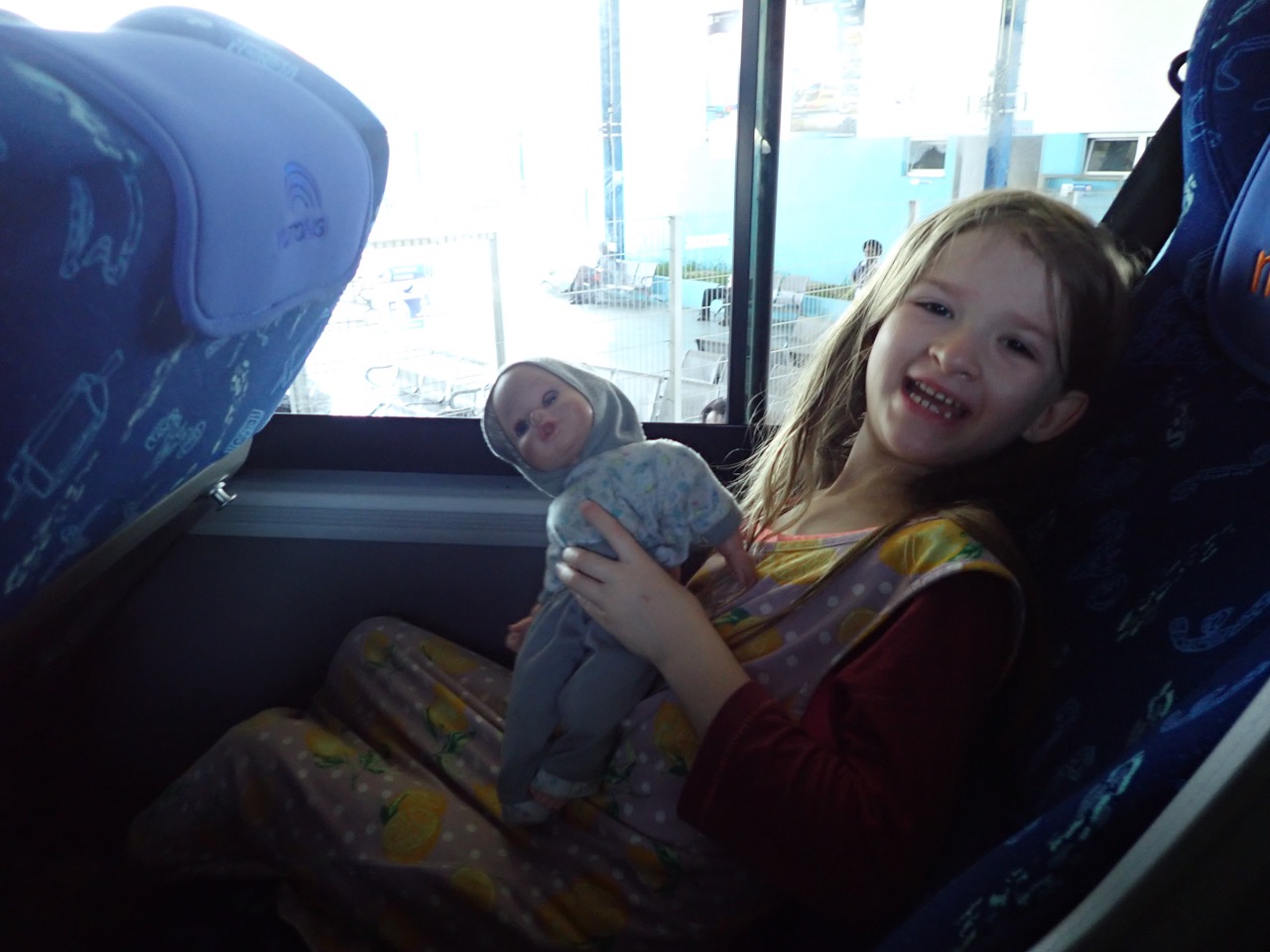
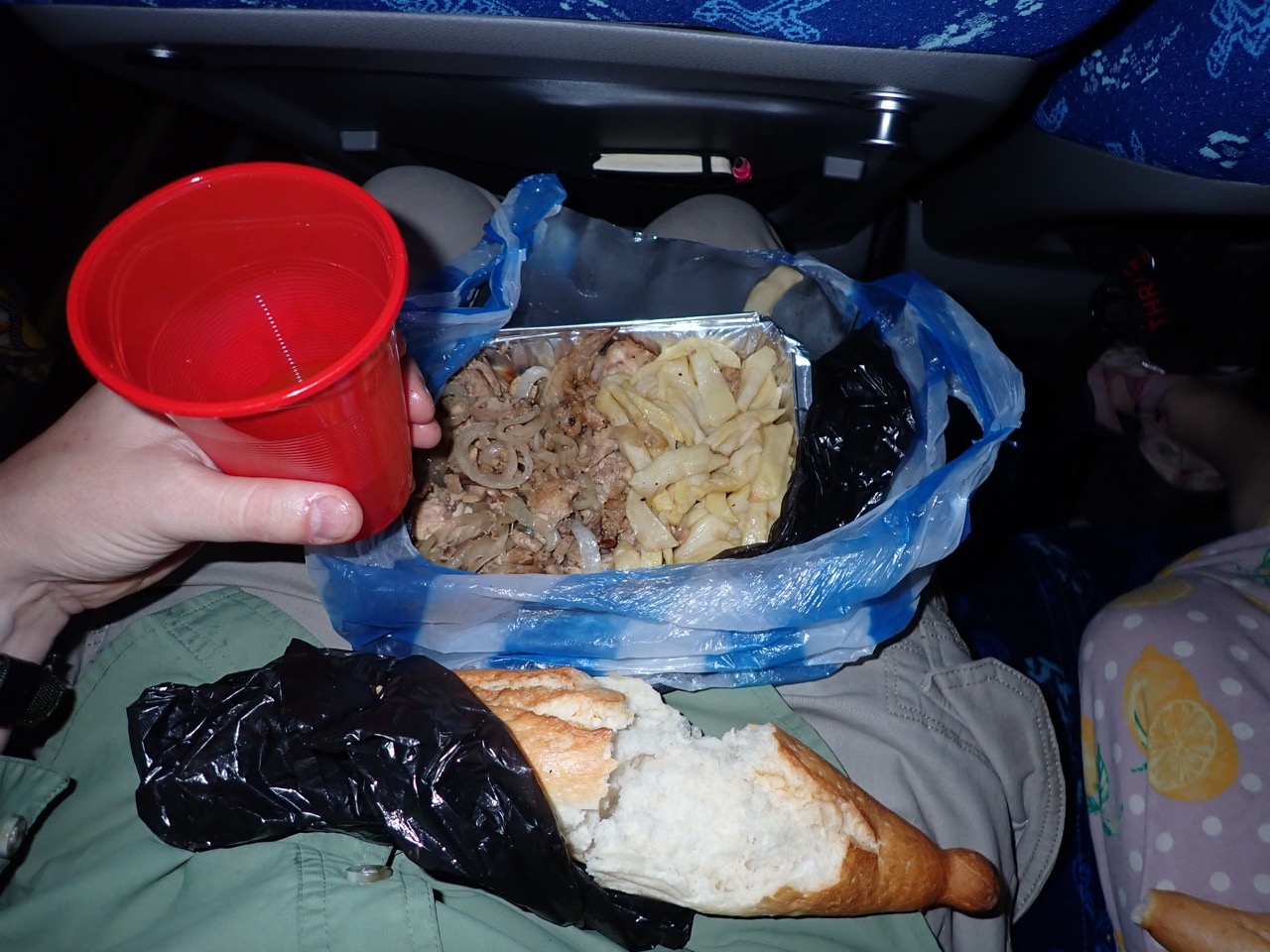
The trip took 19 hours. The bus made several stops in the night for bathroom breaks and to add passengers. The bathrooms at these dark locations were challenging at times. Toilet seats, doors, and toilet paper were always optional, as was running water. The children bravely tramped their way through the dimly lit stations to whatever amenities lay before them. There was no grumbling among our crew as we made our way south through Angola; I was very proud. Mauro was a great help. He monitored the reshuffling of the luggage below as passengers and their cargo were added at several stops throughout the night, and he got us food and drink where available. After daybreak, the bus stops were often just intersections at small towns, and the only bathrooms were the adjacent fields.
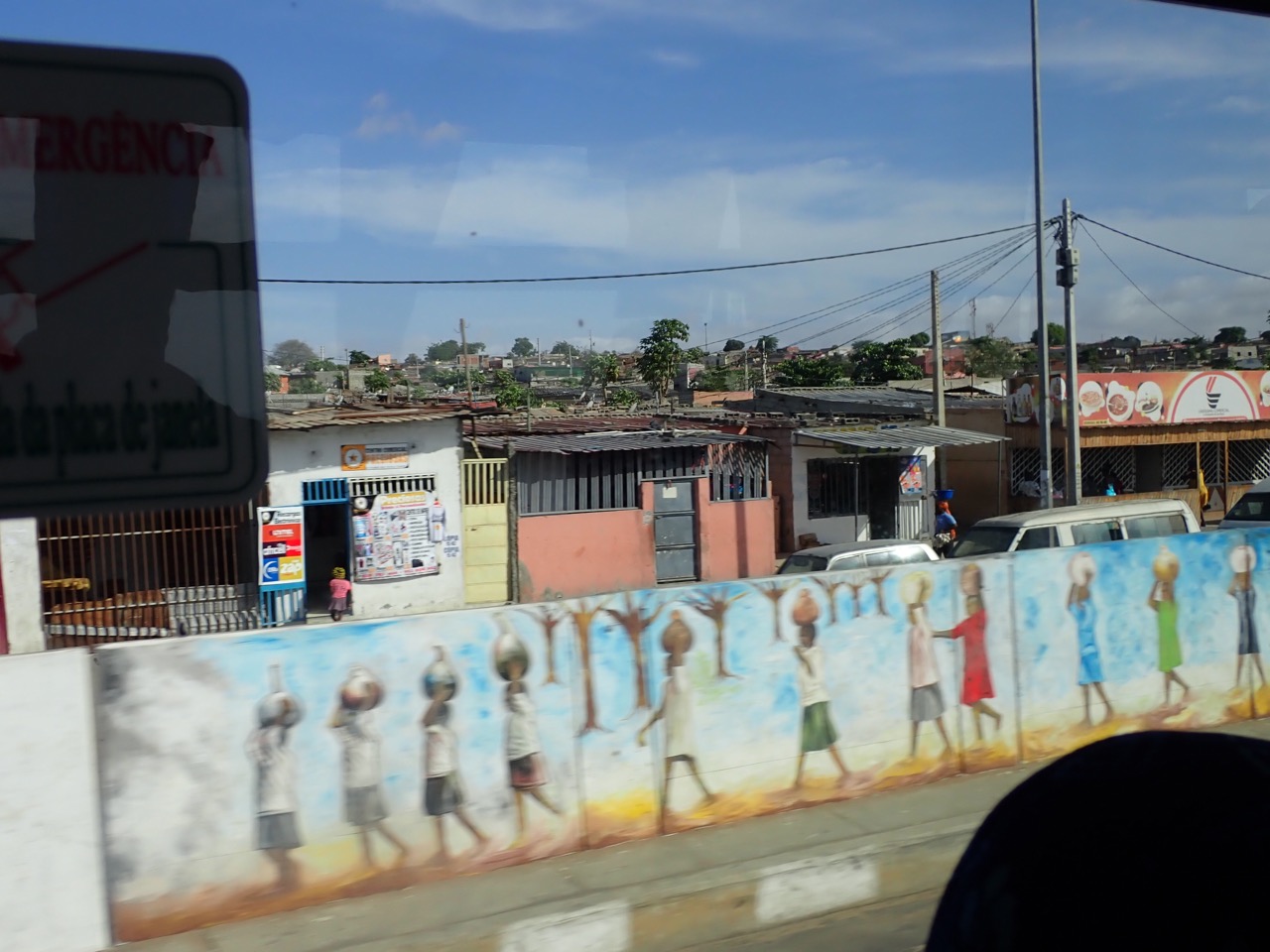
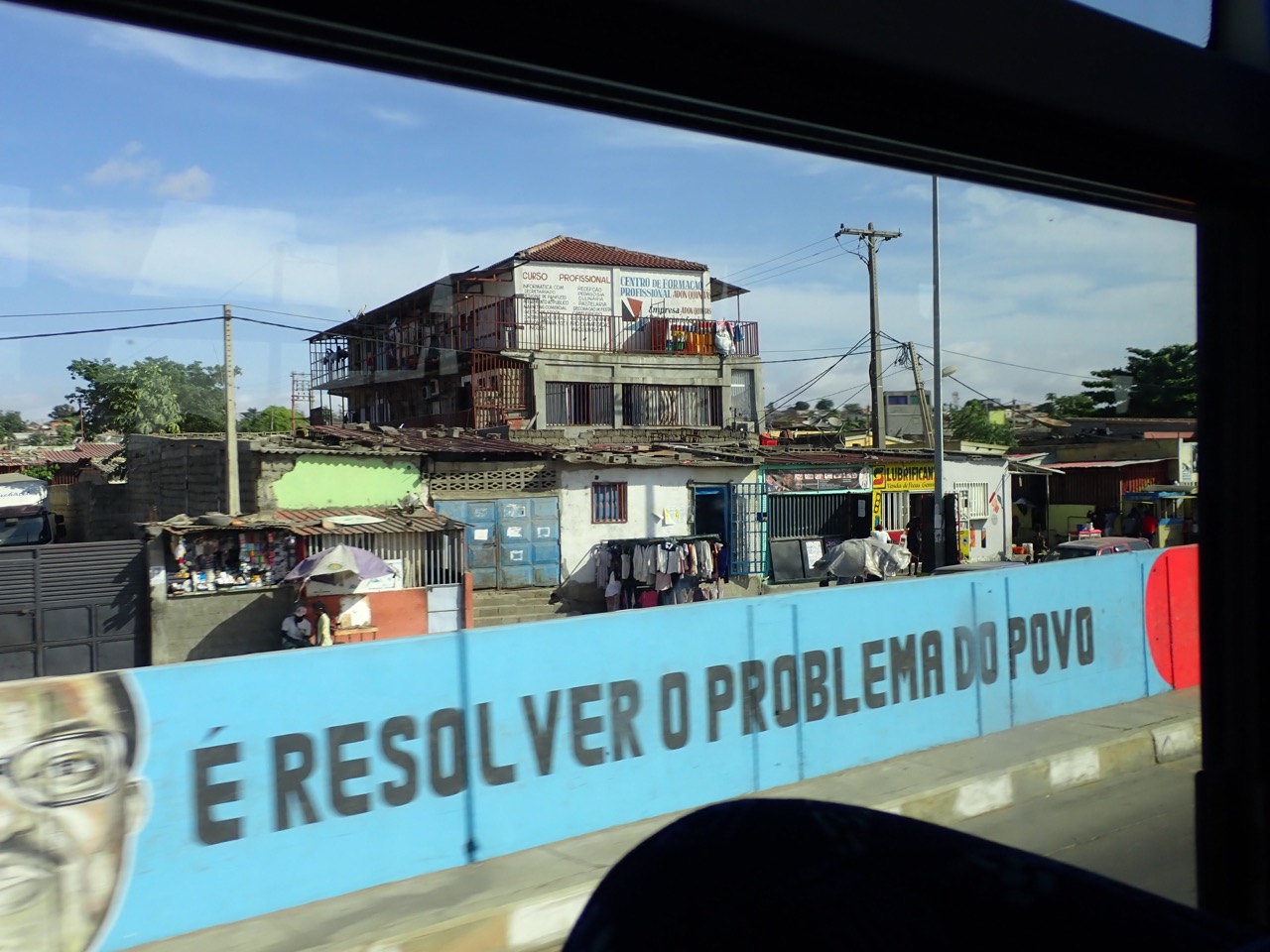
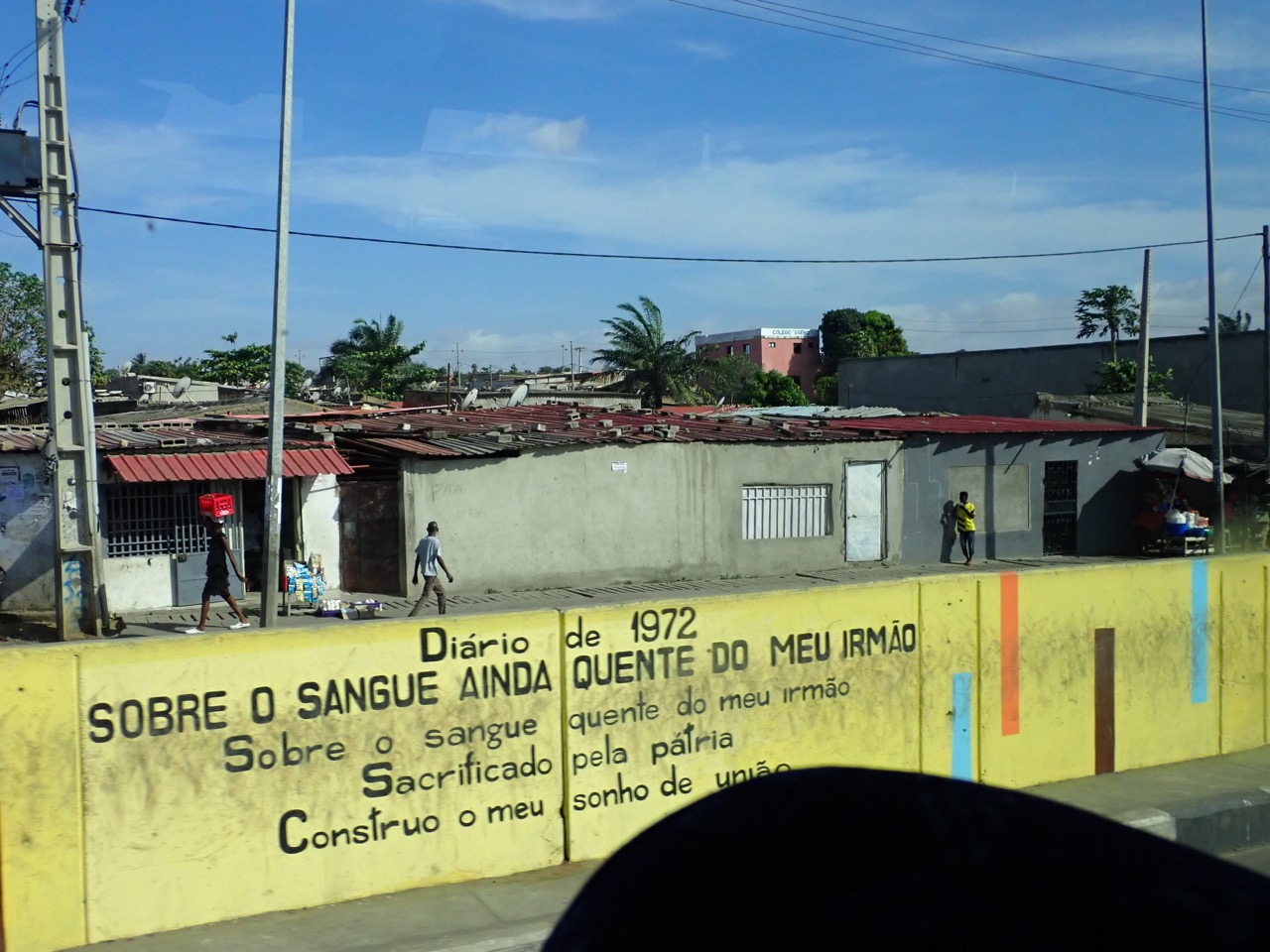
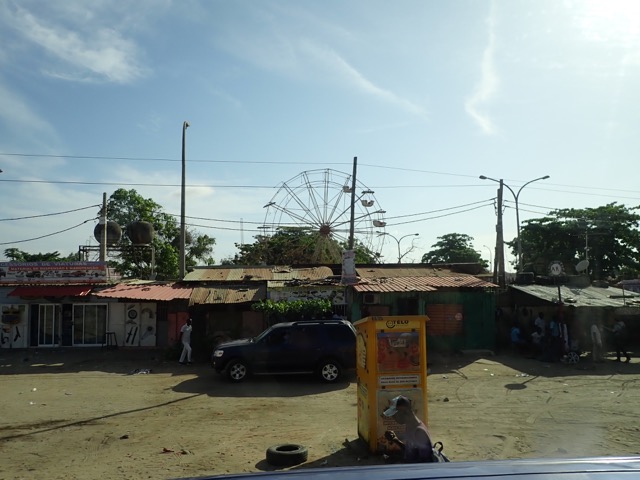
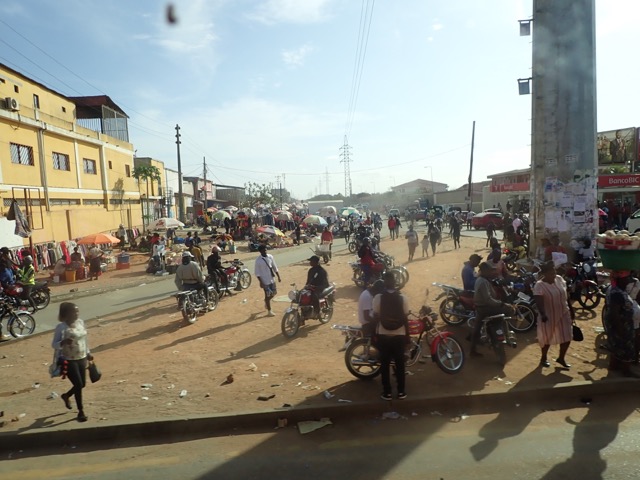

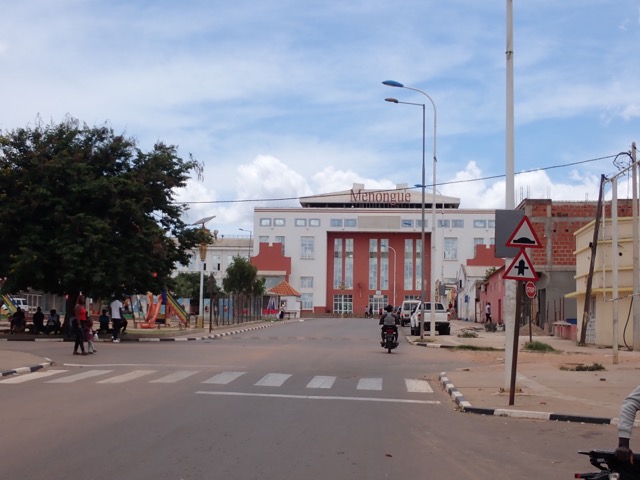
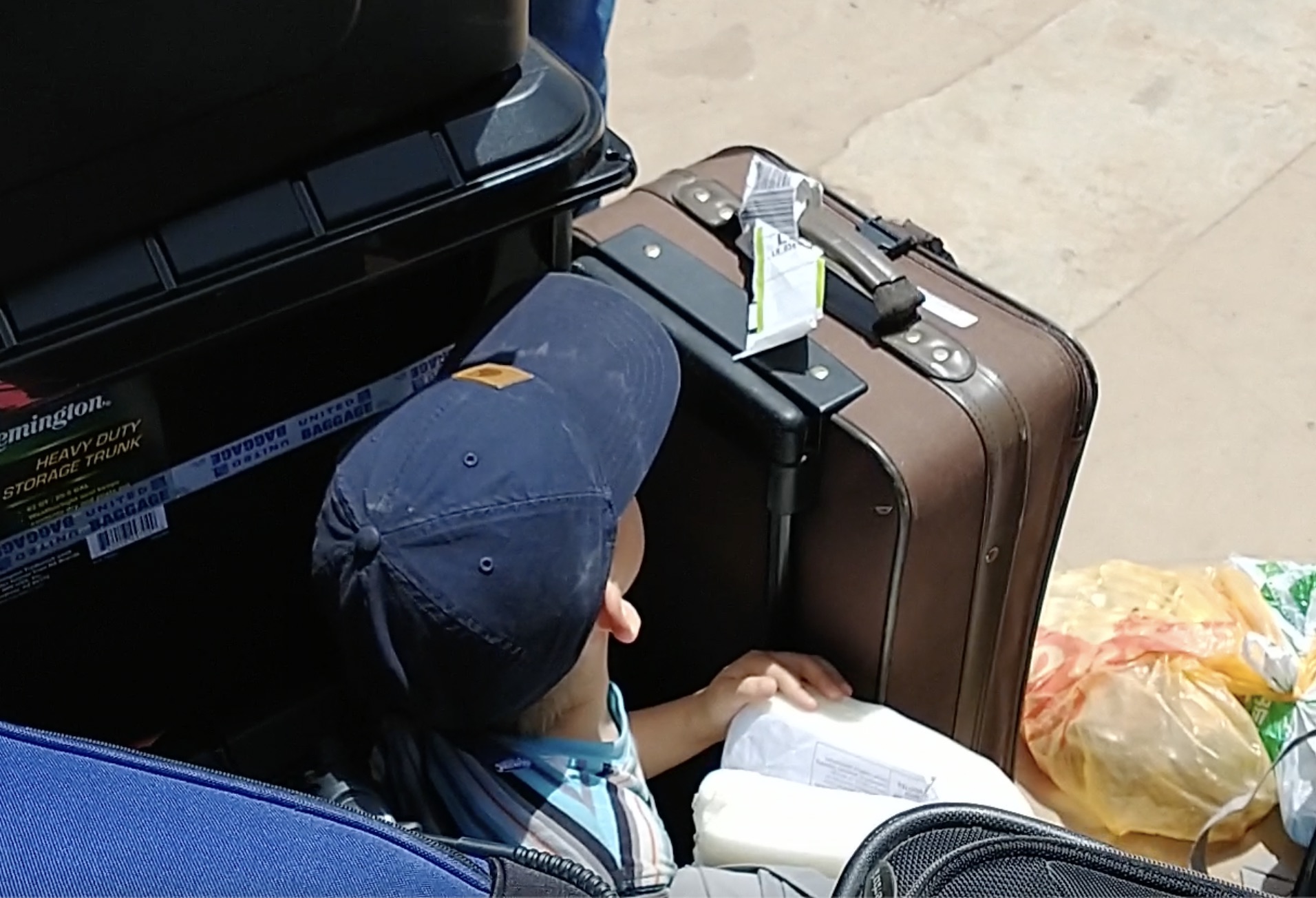
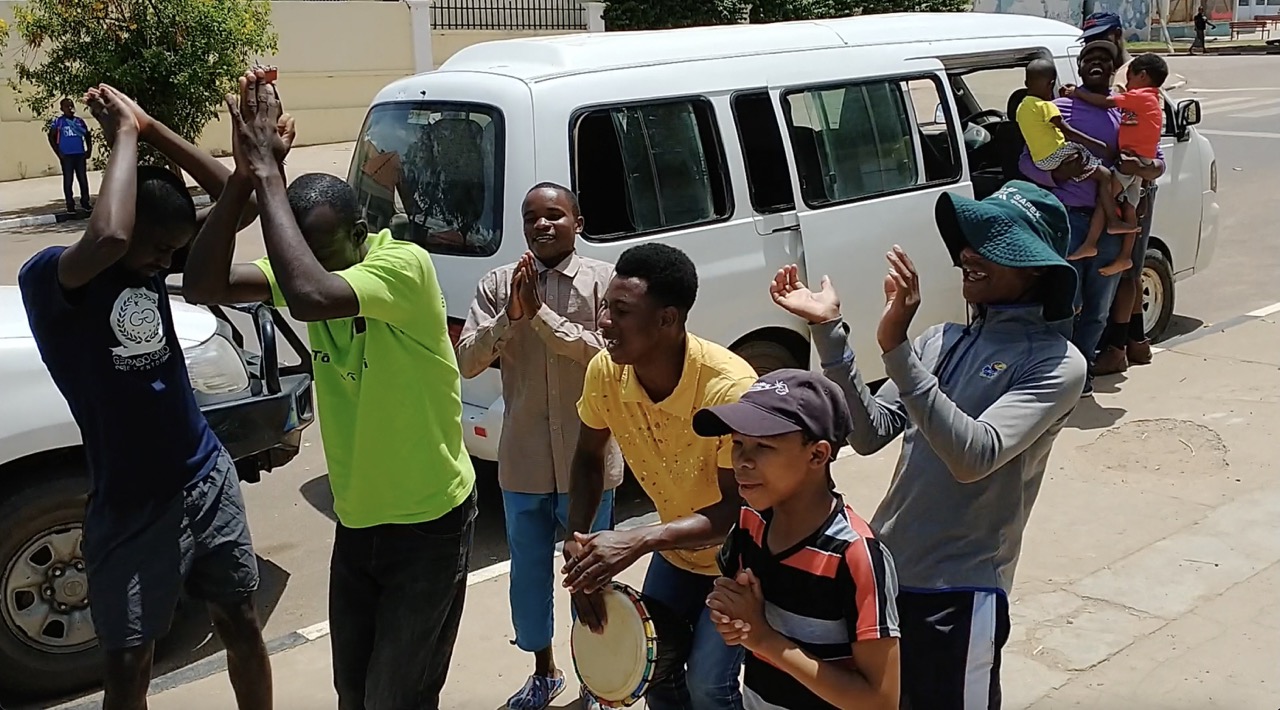
Finally arriving in Menongue, our merry band was deposited on the sidewalk of the main road with our boxes, bags, suitcases, backpacks, and sacks. The younger ones retreated from the noise of the city into the mound of baggage as the rest of us leaned wearily on the boxes and waited. Some minutes later, a boisterous group of people arrived in two vehicles. The mission students were there, along with most of the people I already knew from previous trips. They made a beautiful spectacle on the side of the road greeting us. We were informed that we were not going to our new home just yet. We would instead stay at a safari lodge at the edge of town for a few days.

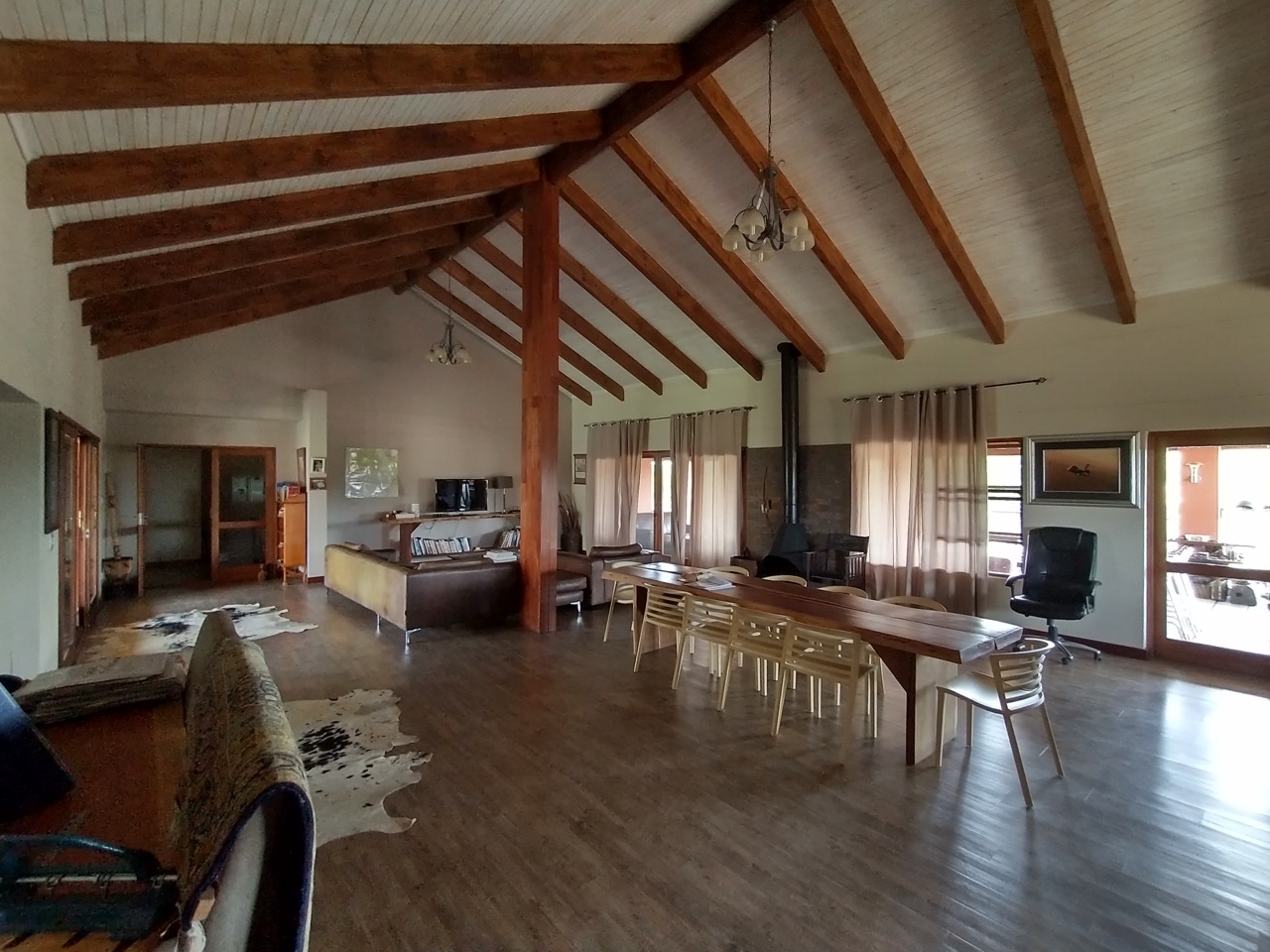
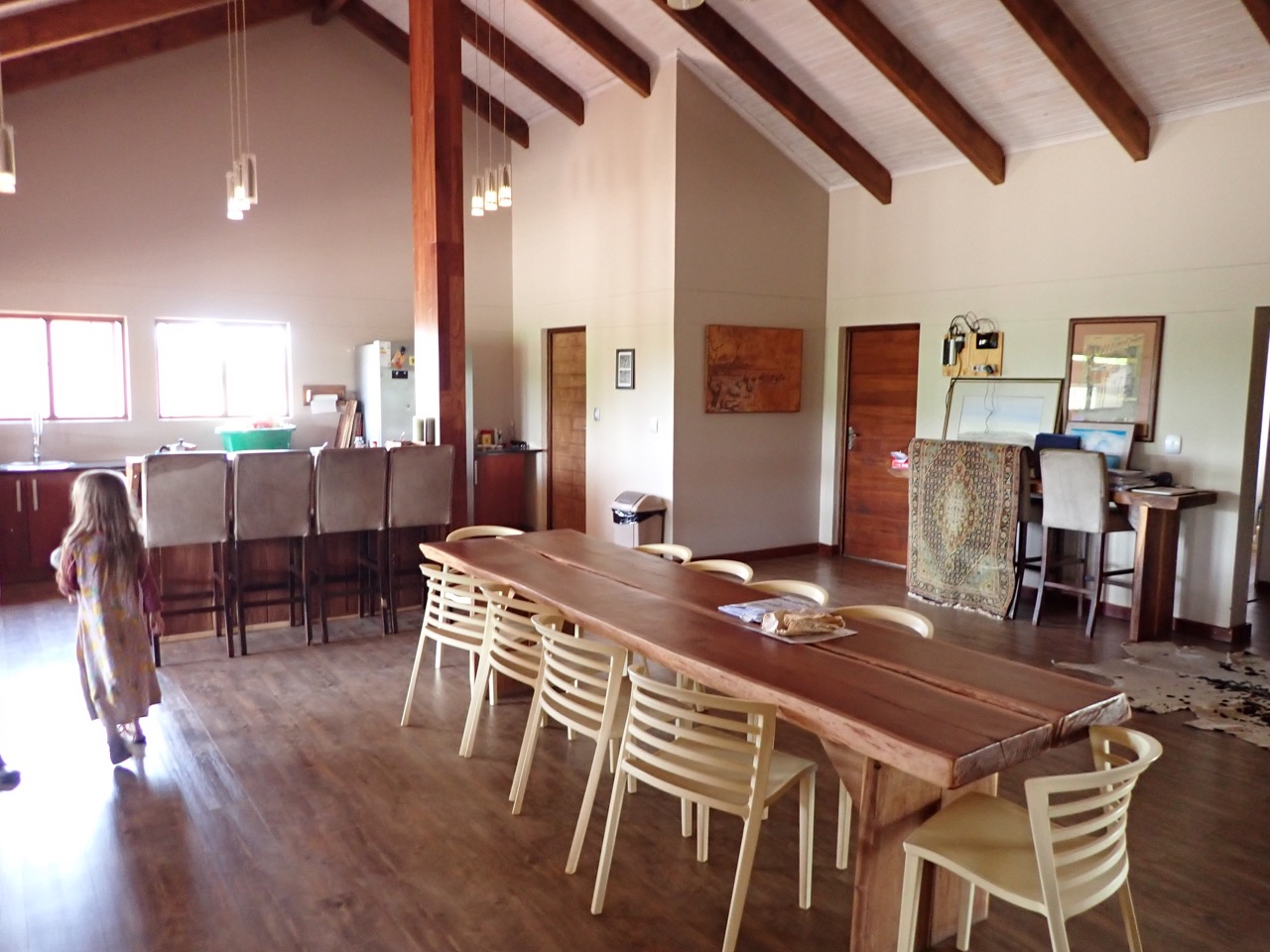
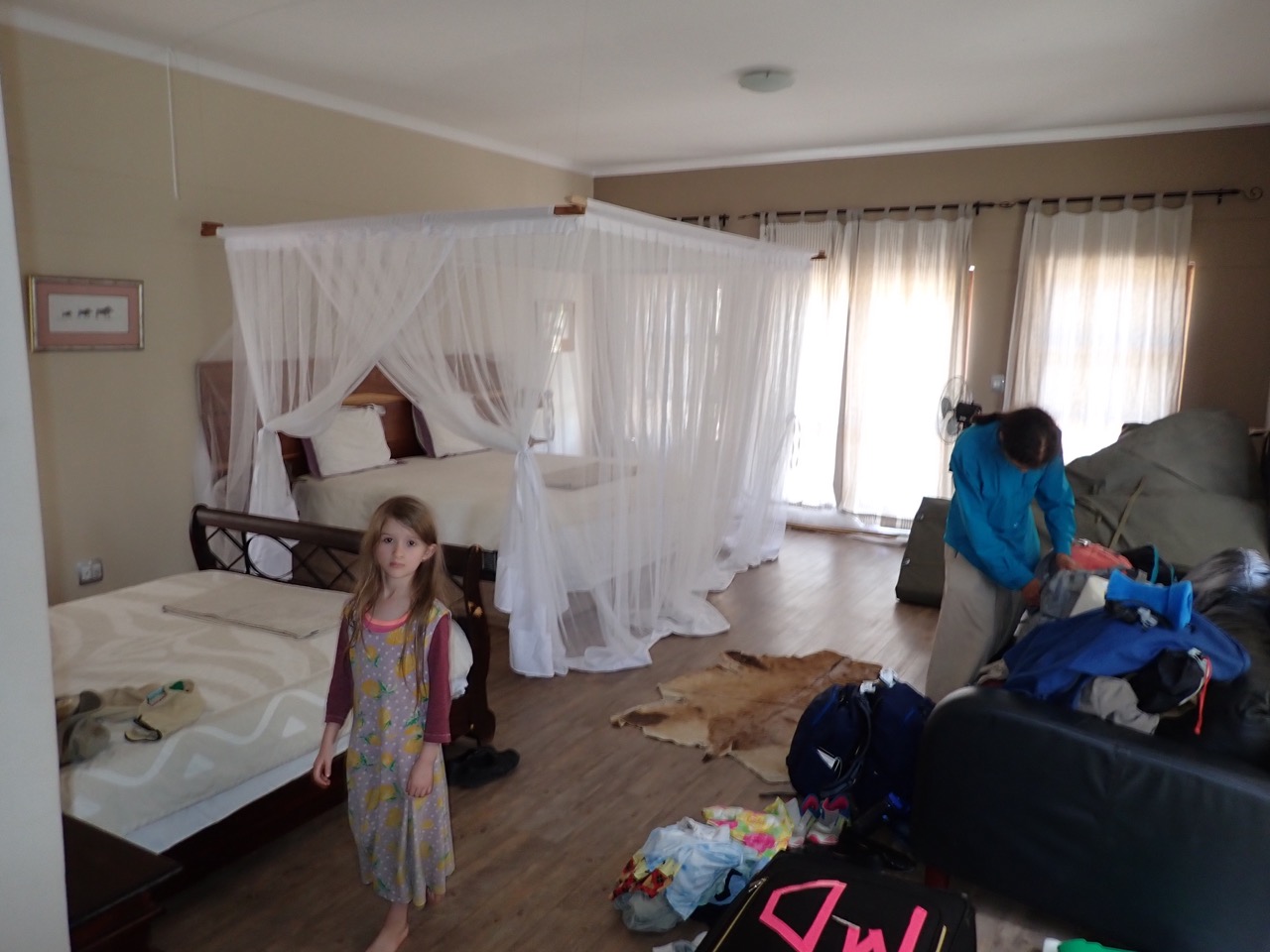
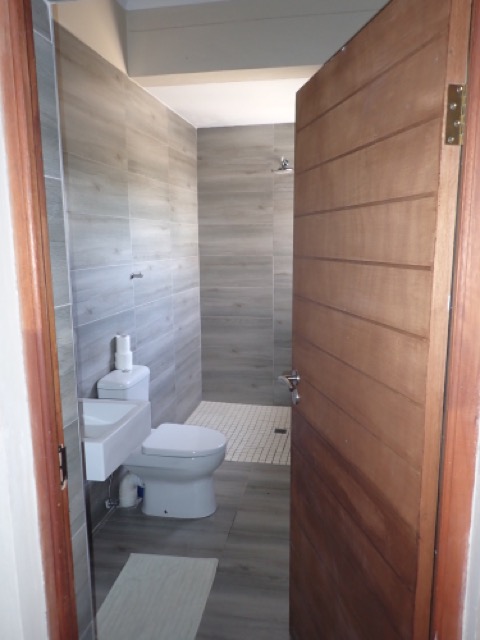
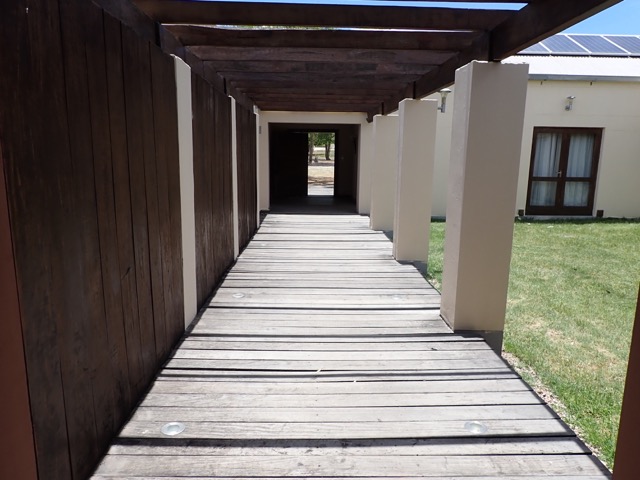
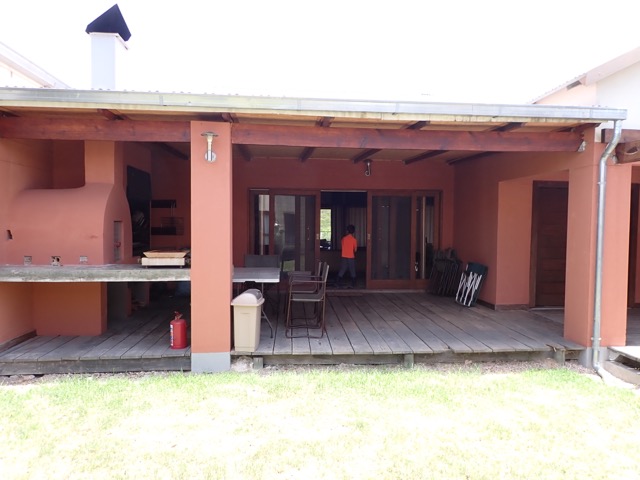
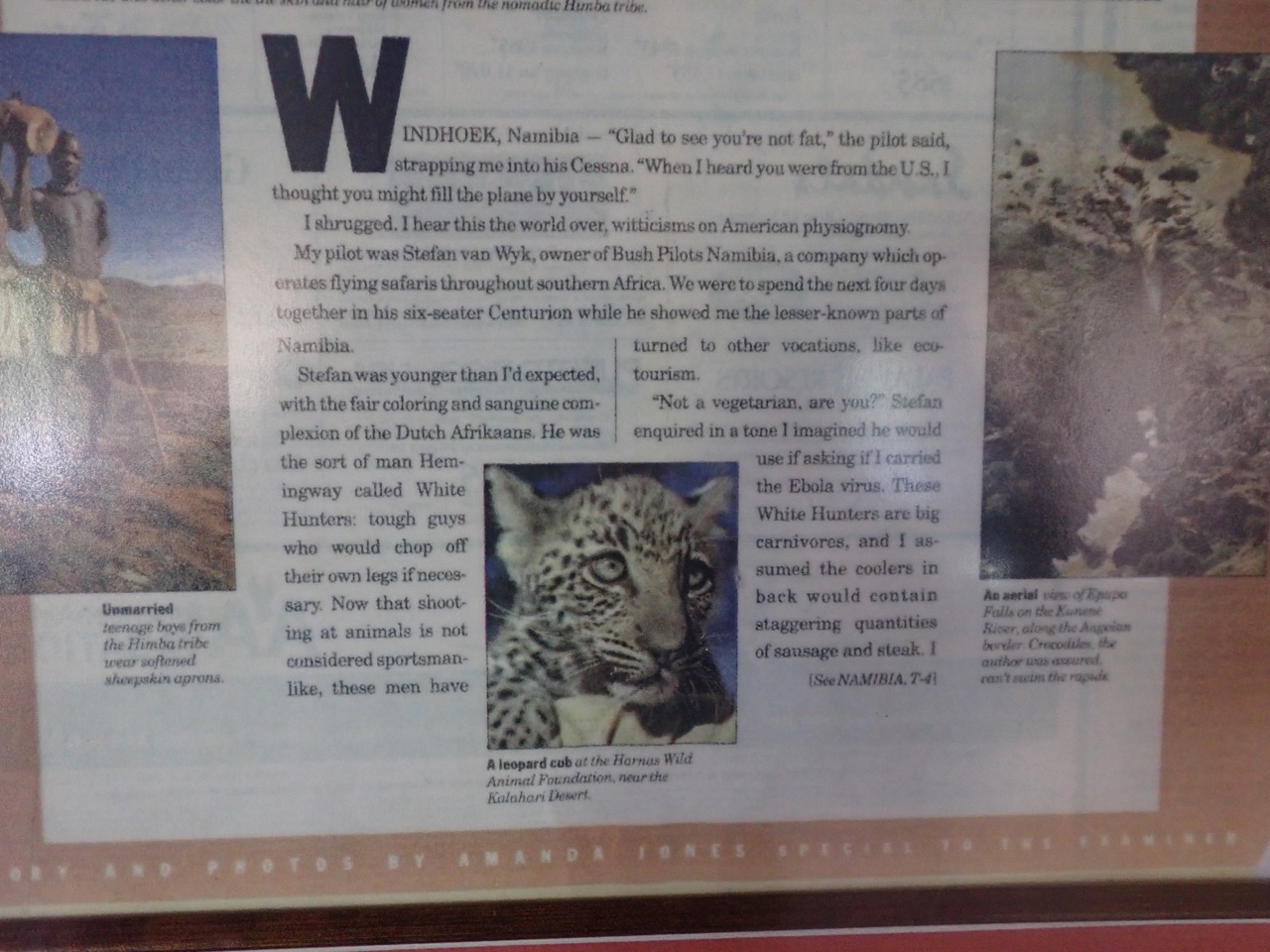
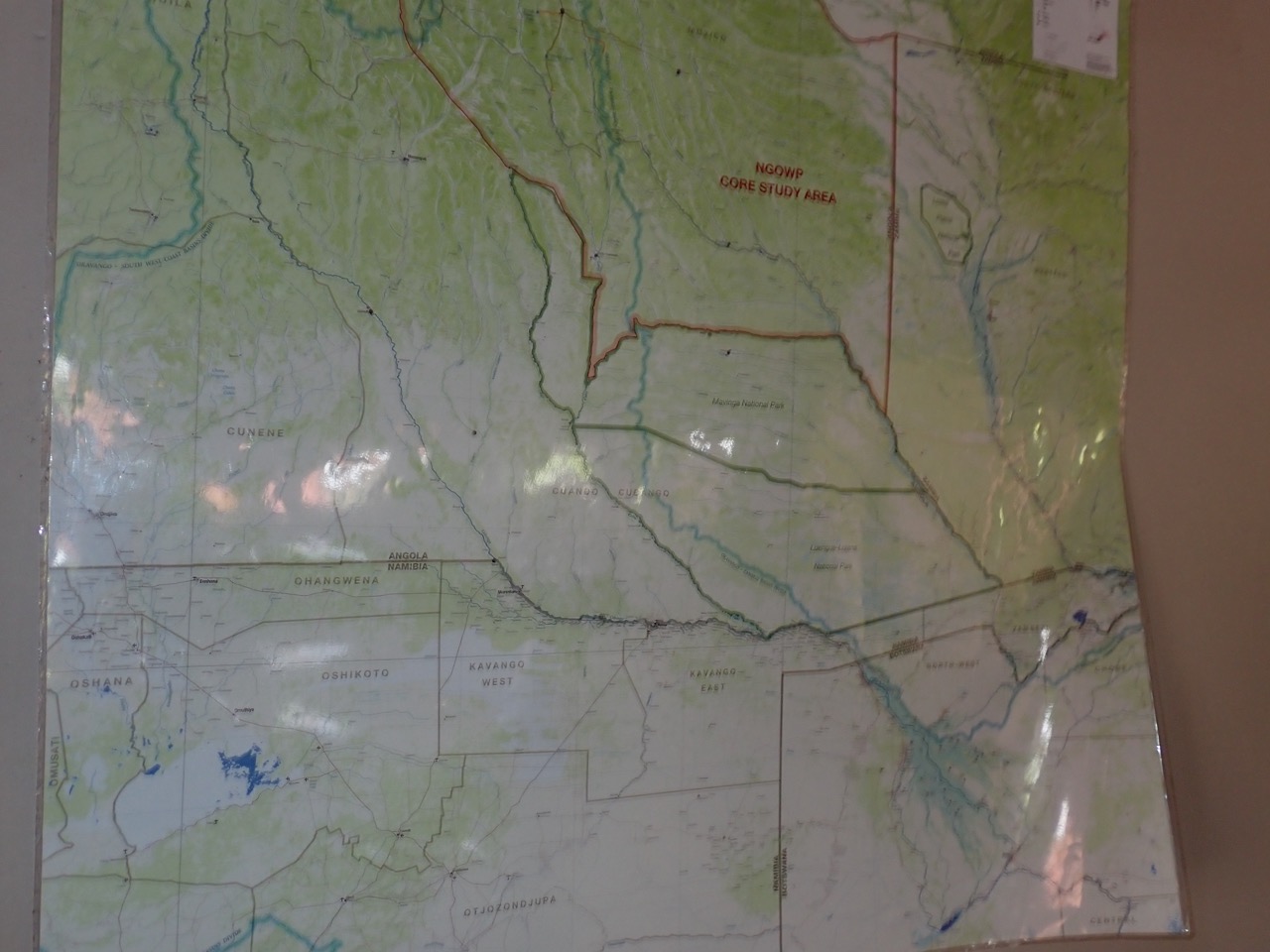
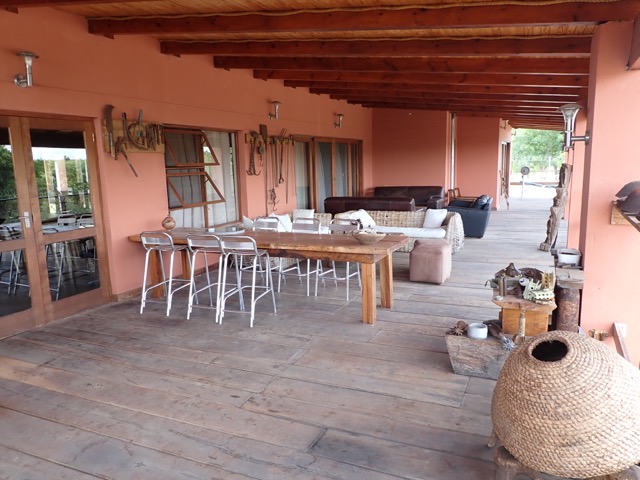
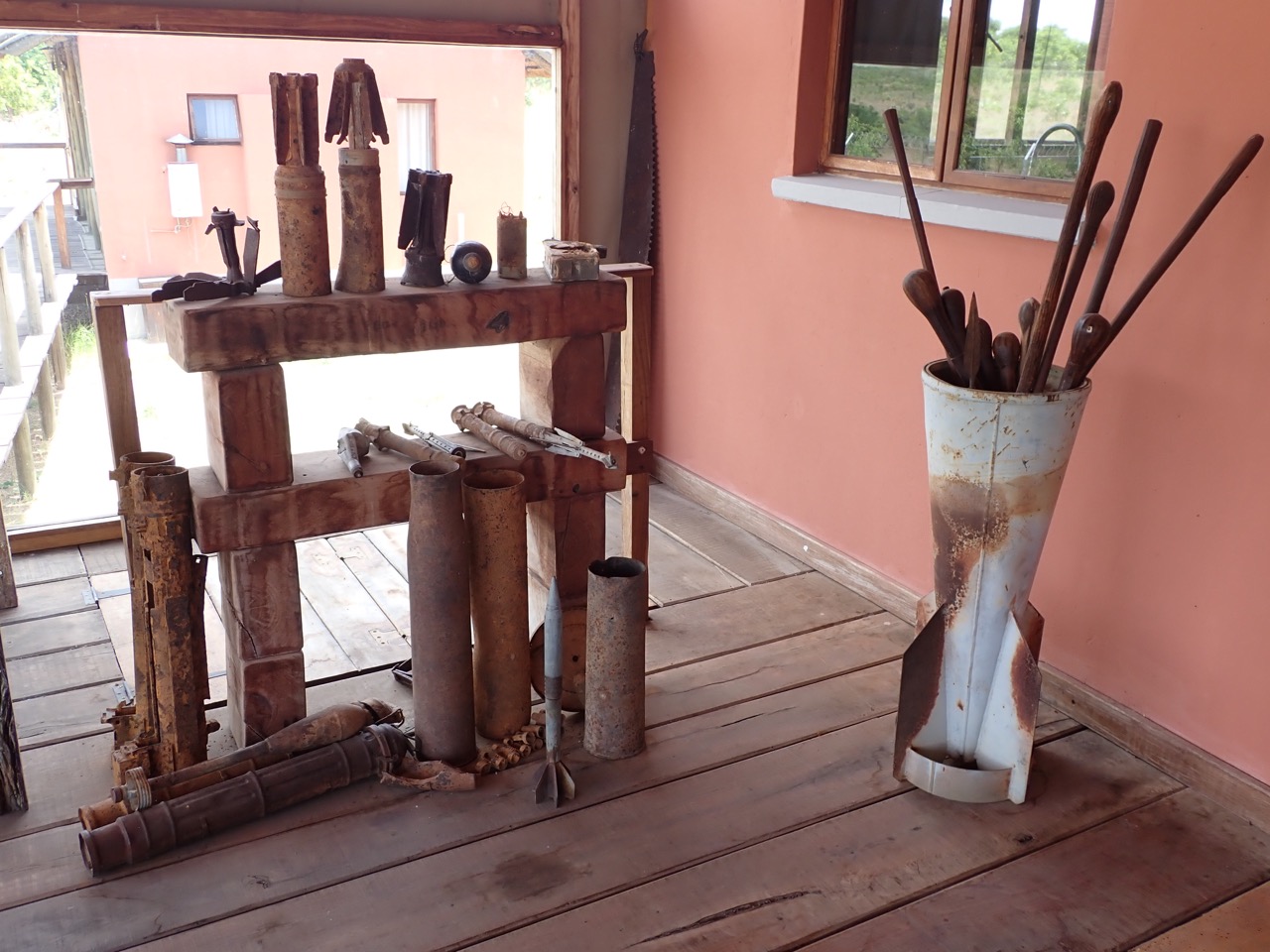
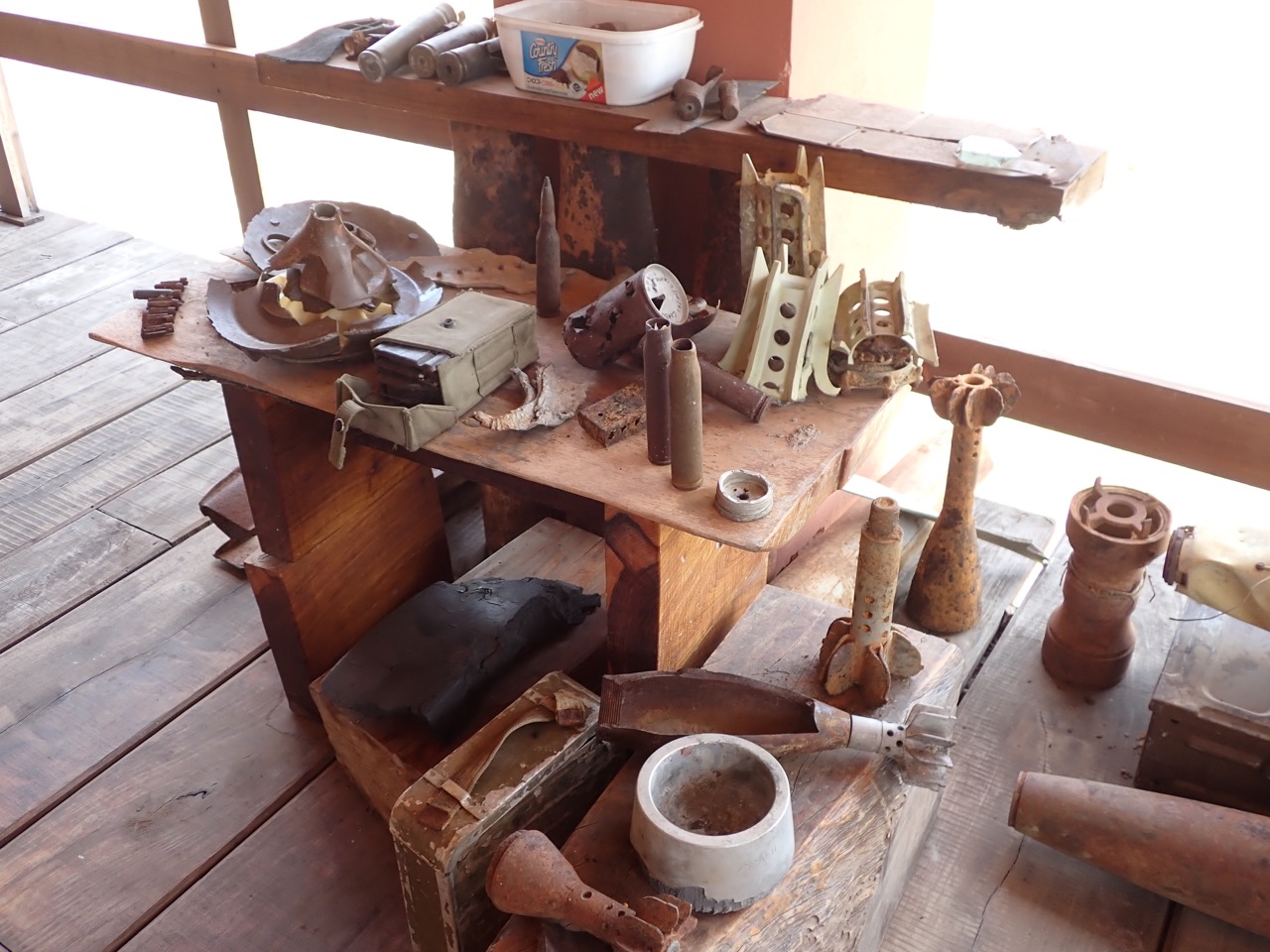
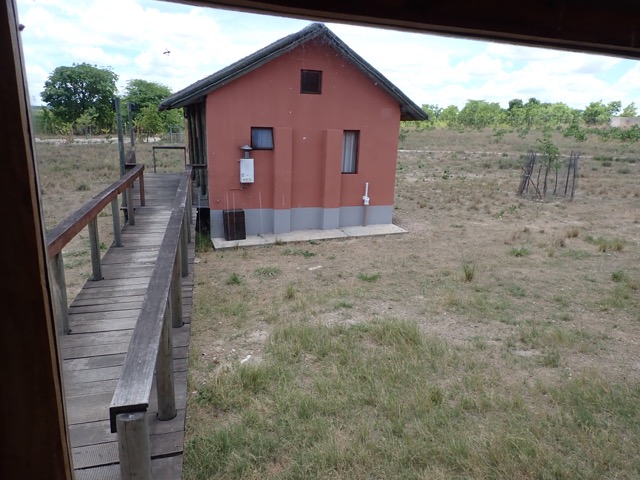
I had seen the beautiful residence on my first trip to Angola in 2020. It was owned by a pilot named Stefan Van Wyk. The lodge was home base to his safari adventure company, Uncharted Safaris and Expeditions. The lodge had hosted many tourists and other guests, including teams from The National Geographic. A poster on the wall depicted the core study area of the National Geographic Okavango Wilderness Project. We were soon installed in our temporary quarters with a good supply of food, and we spent the next few days trying to recuperate. It was a beautiful location, but we were often too tired and weak to fully enjoy it. Faith’s health got pretty bad during that time. She vomited repeatedly, her temperature spiked, and she was achy. Wessel and Joan came and gave her an injection to calm her stomach, and she improved.


Aerial photos by drone
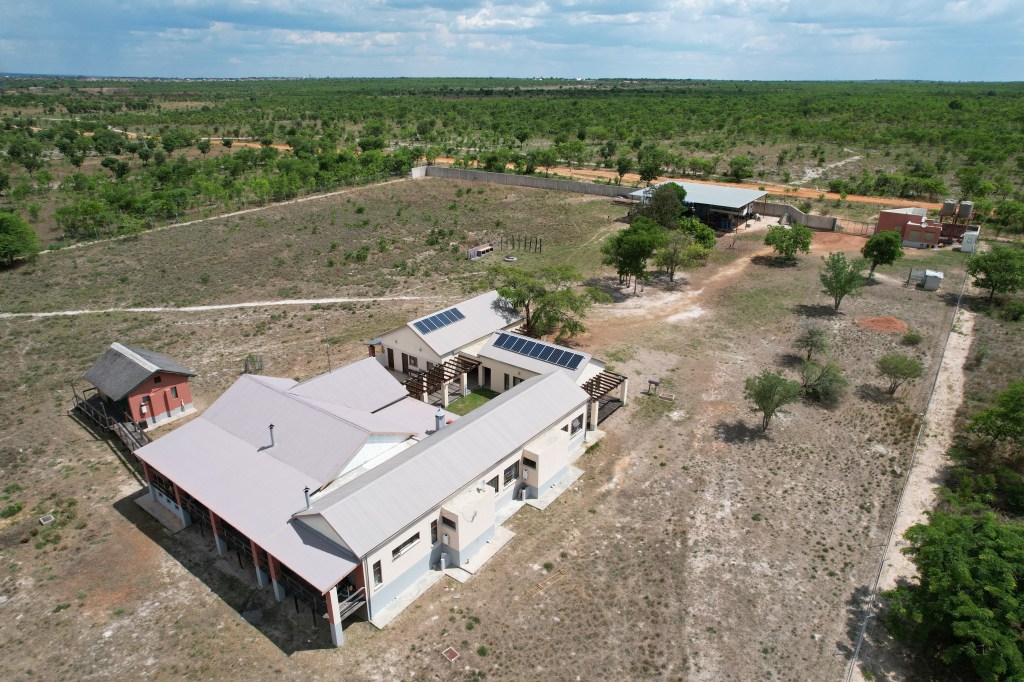
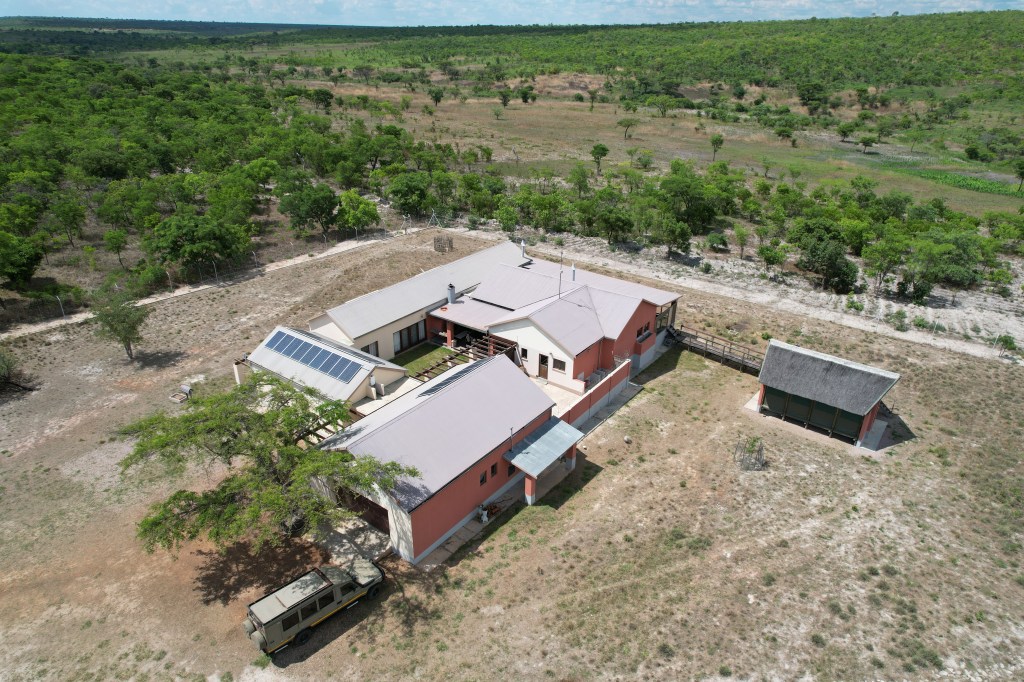
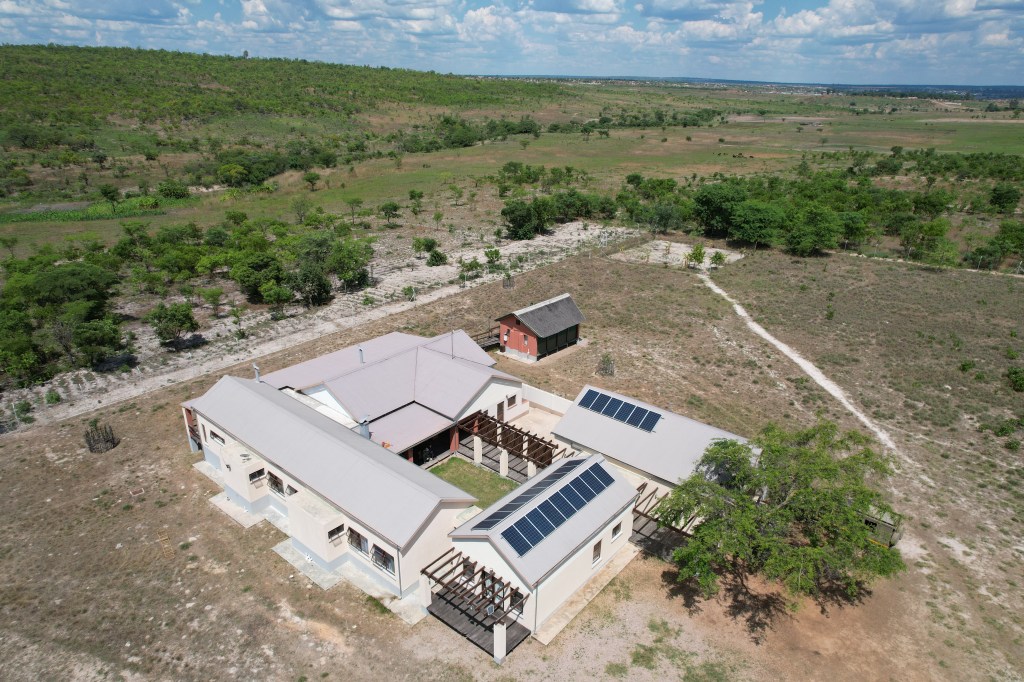
We finally made it to our new home in Menongue at the OM base on November 18.
The house had been upgraded a lot since I had first seen it three years prior. It now had doors and windows; the dirt floors were made concrete; water was piped in; and lights and outlets had been added, powered by the solar panels and batteries of the house next door. Curtains, chairs, tables, a camp stove, and beds with mosquito nets had all been provided for us.
In short order our belongings were piled in the living room of our very own Adobe Hacienda, and our new life in Africa began.
 Welcome to Angola
2 responses to “Moving to Angola”
Thank you Michael for this wonderful update! We are praying for you all often, and look forward to more updates!
Rowen and Janet Albertson
LikeLike
Wow! You are all so brave and adventurous! I hope you are feeling better by now from the last bout with malaria. Trusting God who promised never to leave you!
Janet
LikeLike